Planning a walk can feel confusing when you do not know the Govardhan Parikrama Distance or what to expect. Many people wonder if the journey is too long or difficult for them. Questions about the 21 km govardhan parikrama route create doubt and hesitation. You might feel unsure about the actual Govardhan parikrama km and how manageable it truly is.
This guide will clearly explain the Govardhan Parikrama Distance and break down every important detail for you. You will learn the exact Govardhan parikrama distance, Govardhan parikrama in km, and the traditional Govardhan Parvat Parikrama distance. It also simplifies routes, timing, and key stops so you can plan your journey with confidence and clarity. You will avoid confusion and stress.
Why Govardhan Parikrama Is Spiritually So Powerful
Govardhan Parikrama is deeply connected with devotion and faith in Lord Krishna. The Govardhan Parikrama Distance is not just a physical journey but a spiritual experience that many pilgrims believe brings peace of mind. Walking this sacred path helps devotees feel closer to divine energy and inner calm.
People consider the journey powerful because it represents surrender, devotion, and gratitude. Many people complete the Govardhan Parikrama distance with faith, believing it removes negativity and brings blessings. Devotees see every step as a prayer, which makes the walk more meaningful and emotionally uplifting for those seeking spiritual connection.
Spiritual Benefits of Govardhan Parikrama
Devotees consider completing the Govardhan Parikrama distance a deeply sacred act in Hindu tradition. They believe it is not just a physical walk but a journey of surrender and devotion to Lord Krishna. They see every step around Govardhan Hill as an offering of faith and gratitude.
People believe that the Govardhan Parikrama distance carries immense spiritual energy that cleanses the mind and heart. Many pilgrims feel a strong sense of peace while walking this sacred route. Devotees also believe that sincere devotion during the parikrama attracts divine blessings and reduces inner negativity.
| Spiritual Benefit | Description |
| Karma Cleansing | Helps reduce negative karma and past life burdens |
| Inner Peace | Brings calmness, emotional balance, and mental clarity |
| Moksha Path | Believed to support liberation from the cycle of birth and death |
| Divine Blessings | Devotees feel the grace of Lord Krishna and Radha Rani |
| Stress Relief | Walking in sacred surroundings reduces anxiety and tension |
| Spiritual Growth | Strengthens faith, devotion, and connection with God |
| Positive Energy | Surroundings are believed to radiate powerful spiritual vibrations |
Many saints and devotees believe that even a single completion of the Govardhan Parikrama distance carries lifelong spiritual merit. Devotees often perform the journey with chanting and devotion, which enhances its sacred impact. They see it as a path that purifies the soul while filling the heart with divine love and inner strength.
Govardhan Parikrama Distance – Complete Guide with Timings and Variations
Govardhan Parikrama Distance is one of the most searched details by pilgrims planning this sacred journey. The walk usually covers around 21 km around Govardhan Hill. Devotees often want to understand the route, timing, and variations before starting. It helps them prepare physically and mentally for the spiritual experience.
This guide explains the Govardhan Parikrama Distance in simple terms, so you know what to expect. It also covers Govardhan Parikrama timings, walking pace, and different route options. Whether you choose a slow devotional walk or a quicker journey, understanding variations helps you plan better and enjoy a smooth pilgrimage experience.
Total Govardhan Parikrama Distance
The Govardhan Parikrama Distance is one of the most important details for every pilgrim planning this sacred walk. The full outer route usually covers around 21 km and circles the entire Govardhan Hill. Devotees often prepare in advance to complete this spiritual journey with comfort and devotion.
There is also a shorter inner route that reduces the walking effort while still maintaining spiritual significance. Understanding the Govardhan Parikrama Distance helps pilgrims choose the right path based on their strength and time. Both routes are meaningful and offer a deeply peaceful experience for devotees.
| Route Type | Distance | Description | Suitable For |
| Badi Parikrama (Outer Route) | 21 km | Full circular path around Govardhan Hill | Fit pilgrims and regular devotees |
| Chhoti Parikrama (Inner Route) | 11–12 km | Shorter route covering key sacred spots | Older people and first-time visitors |
| Dandawat Parikrama | 21 km (prostration walk) | Devotees measure distance by lying down repeatedly | Highly devoted spiritual seekers |
| Combined Sacred Circuit | Varies | Mix of inner and outer spiritual paths | Experienced pilgrims |
The Govardhan Parikrama Distance offers flexibility for all types of devotees. Whether one chooses the full 21 km walk or a shorter route, the spiritual essence remains the same. Every path around Govardhan Hill is believed to bring blessings, peace, and a deep sense of devotion.
How Much Time Does Govardhan Parikrama Take?
The time needed for Govardhan Parikrama Distance depends on your walking speed and devotion. Most pilgrims complete the 21 km route in several hours. Some walk steadily, while others take breaks at temples and kunds. Your pace and comfort level greatly influence the total journey time.
On average, the Govardhan Parikrama Distance can take half a day to a full day. Devotees often stop for darshan, prayers, and rest. Walking barefoot or during hot weather may slow you down. Spiritual focus also makes many pilgrims move slowly and peacefully.
- The average walking time is around six to eight hours for fit pilgrims
- Slow pace with temple stops can extend it to ten to twelve hours
- Dandawat Parikrama may take several days due to prostration walking
- Early morning walks are faster due to cooler weather and fewer crowds
- Festival days increase travel time because of the heavy pilgrim rush
- Rest stops at kunds and temples add extra time naturally
- Health conditions and fitness levels greatly affect the overall duration
The Govardhan Parikrama Distance is not meant to be rushed. Many devotees see it as a spiritual journey rather than a timed walk. Taking breaks, chanting, and visiting sacred spots make the experience more meaningful and fulfilling.
Govardhan Parikrama Route – Complete Guide to Sacred Places and Spiritual Stops
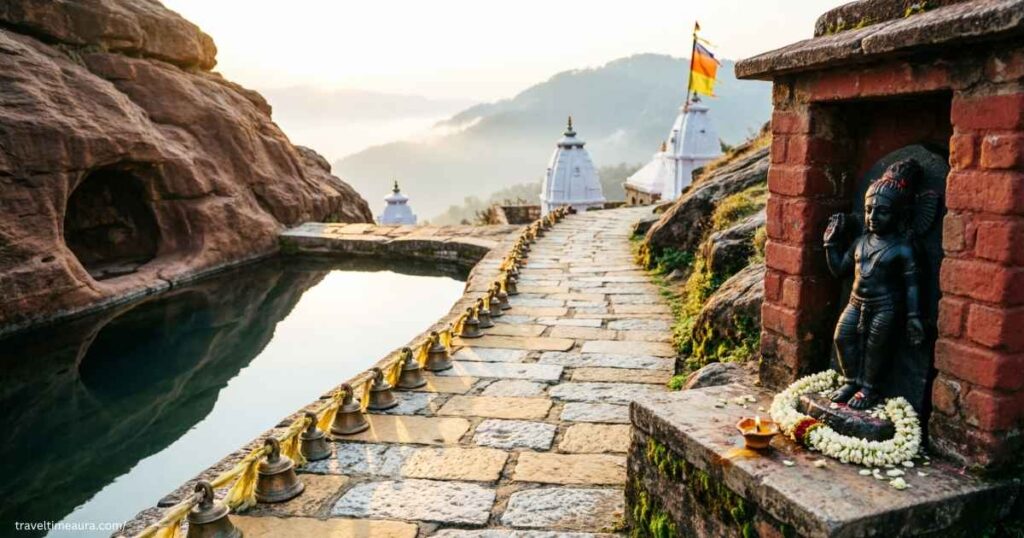
The Govardhan Parikrama Distance takes you through a sacred circular route filled with temples, kunds, and spiritual landmarks. Devotees walk around Govardhan Hill while experiencing deep devotion at every stop. The journey blends faith, nature, and tradition, making it a meaningful pilgrimage for thousands of pilgrims every year.
Understanding the Govardhan Parikrama Distance helps you explore its route more peacefully. Along the way, you pass important sacred places linked with Lord Krishna. Each stop offers a chance for prayer, reflection, and rest. The route is both spiritual and scenic, creating a memorable experience for every devotee who walks it.
Starting Point of Govardhan Parikrama
The Govardhan Parikrama Distance usually begins from a sacred point near Govardhan Hill where devotees gather before starting the walk. Most pilgrims start from Govardhan town itself, close to major temples. This starting point holds spiritual importance and sets the tone for a devotional journey filled with faith and prayer.
Knowing the Govardhan Parikrama Distance helps pilgrims prepare for the journey from the very beginning. The starting point is easy to reach from Mathura and Vrindavan, making it convenient for visitors. Devotees often take blessings at nearby temples before beginning the parikrama, ensuring a peaceful and spiritually focused walk ahead.
Badi Govardhan Parikrama Route (Outer, Longer Route)
The Badi Govardhan Parikrama Route is the outer circular path that covers the full Govardhan Parikrama Distance of about 21 km. Devotees walk around Govardhan Hill while visiting major temples, kunds, and sacred stops. It is considered the most complete and traditional form of this holy pilgrimage.
This route offers a deeper spiritual experience for those who want to complete the full Govardhan Parikrama Distance with devotion. The longer path includes important landmarks linked with Lord Krishna’s leelas. Pilgrims walk slowly, chant prayers, and feel connected to divine energy throughout the journey around the sacred hill.
Daan Ghati Mandir
Daan Ghati Mandir is one of the most important temples on the Govardhan route. It is closely linked with Lord Krishna’s playful pastimes with the gopis. Devotees believe this place holds strong spiritual energy. Many pilgrims stop here to offer prayers and seek blessings with deep devotion.
The temple is always lively with chanting, bells, and a strong feeling of faith. Visitors often experience a sense of peace and connection here. It is also a popular starting point for many pilgrims. Offering prasad and doing darshan at this temple is considered highly auspicious.
Sankarshan Kund
Sankarshan Kund is a peaceful and sacred water spot linked with Lord Balarama, the elder brother of Lord Krishna. Devotees believe this kund holds spiritual purity. Many pilgrims pause here during the journey to offer prayers and feel a deep sense of calm.
The surroundings of this kund are quiet and soothing, making it ideal for rest and reflection. Pilgrims often sit here to chant and connect spiritually. Devotees consider this place to carry strong devotional energy, and they see it as important for those seeking inner peace and blessings during their sacred walk.
Poonchhri Ka Lautha
Poonchhri Ka Lautha is a unique and sacred stop on the Govardhan route. It is believed to mark the tail end of Govardhan Hill. Devotees connect this place with stories of deep devotion and loyalty linked to Lord Krishna’s divine pastimes.
The atmosphere here feels calm and spiritually rich, and it attracts pilgrims who pause for prayers and reflection. Many believe that visiting this spot completes an important part of the journey. People also know it for its peaceful surroundings, which offer a quiet moment to rest and absorb spiritual energy.
Shri Nath Ji Temple
Shri Nath Ji Temple is a highly revered temple connected with Lord Krishna in his child form. Devotees believe this place carries deep spiritual energy and divine presence. Many pilgrims visit here to offer prayers and feel a strong connection with Krishna’s leelas.
Visitors experience the temple’s peaceful atmosphere and devotional vibe throughout the day. They often spend time in darshan and quiet reflection. Devotees consider it a powerful stop where they seek blessings for happiness, protection, and spiritual growth during their sacred journey.
Indraman Bhang
Indraman Bhang is a spiritually important spot linked to the story of Lord Indra and Lord Krishna. It represents the moment when Lord Krishna humbled Indra’s pride. Devotees visit this place to remember the lesson of humility and to surrender to divine power.
The surroundings are calm and reflective, allowing pilgrims to pause and connect with the deeper meaning behind this story. Many people offer prayers here and seek blessings for wisdom and balance. It is a meaningful stop that adds depth to the overall spiritual journey.
Jatipura Temple
Jatipura Temple is a sacred place closely linked with the worship of Lord Krishna as Govardhan Nath. Devotees believe offerings made here reach the divine directly. Many pilgrims stop at this temple to offer food, sweets, and prayers with deep faith and devotion.
The temple offers a peaceful atmosphere and a strong spiritual presence. Visitors often feel a deep sense of connection while performing darshan. It also features traditional offerings and rituals, making it an important stop for those seeking blessings and spiritual fulfillment.
Chhoti Govardhan Parikrama Route (Inner, Sacred Route)
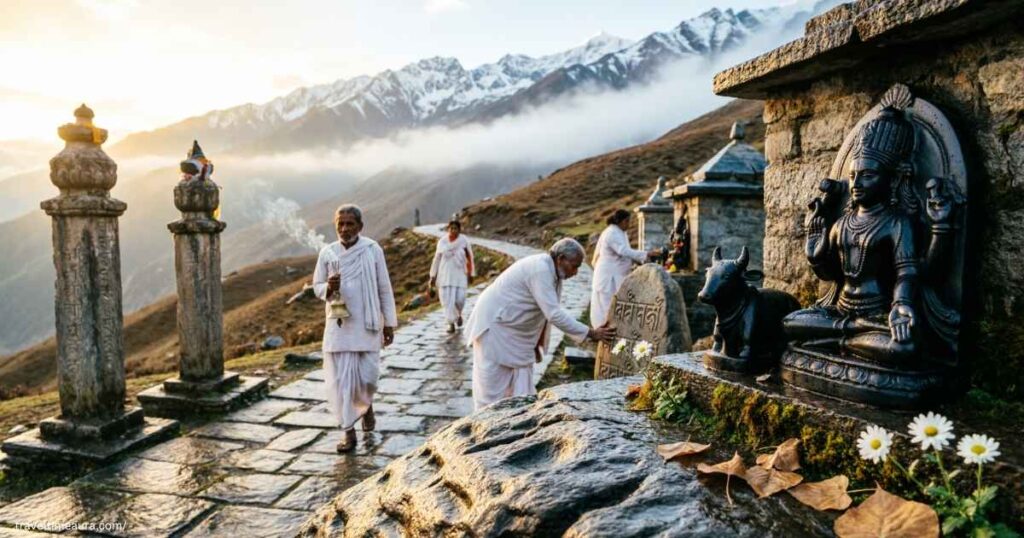
The Chhoti Govardhan Parikrama Route is a shorter and more intimate path around the sacred hill. It covers a smaller part of the Govardhan Parikrama Distance and focuses on key spiritual spots. Many older devotees and first-time visitors prefer this route because it is easier to complete.
This inner route offers a peaceful and deeply devotional experience for pilgrims. It includes important kunds and temples connected with Lord Krishna and Radha Rani. Walking this path allows you to feel calm and connected while completing a meaningful part of the Govardhan Parikrama Distance.
Lakshmi Narayan Mandir
Devotees dedicate the Lakshmi Narayan Mandir to Lord Vishnu and Goddess Lakshmi. They know it for its calm and divine atmosphere. Devotees visit the temple to seek blessings for prosperity, happiness, and spiritual growth during their sacred journey.
The temple surroundings are peaceful, making it a perfect place for rest and prayer. Many pilgrims spend quiet moments here connecting with divine energy. The temple’s simple yet sacred environment helps visitors feel relaxed, focused, and spiritually uplifted during their devotional walk around Govardhan.
Uddhav Kund
Uddhav Kund is a serene and sacred water body associated with Uddhava, a close devotee of Lord Krishna. It is believed that Uddhava meditated here and experienced deep spiritual wisdom. Many pilgrims visit this place to feel calm and reflect quietly.
The peaceful surroundings make it a perfect spot for rest during the journey. Devotees often sit near the kund, chant prayers, and connect with divine thoughts. The atmosphere here feels gentle and soothing, helping visitors experience devotion, clarity, and a deeper sense of inner peace.
Radha Kund
Radha Kund is one of the holiest places associated with Radha Rani. Devotees believe this sacred pond holds immense spiritual power and purity. Many pilgrims consider a visit here essential for experiencing deep devotion and divine love during their journey.
The atmosphere around the kund feels peaceful and deeply spiritual. Pilgrims sit quietly, chant prayers, and feel a strong connection to divine energy. Devotees believe that offering prayers here brings blessings, emotional peace, and a sense of closeness to Lord Krishna and Radha.
Shyam Kund
Shyam Kund is a sacred water body located near Radha Kund. Devotees believe it was created by Lord Krishna himself during divine pastimes. Many pilgrims visit this place to feel spiritual peace and connect deeply with Krishna’s presence.
The atmosphere here remains calm and devotional, with constant chanting and prayers. Visitors sit near the water and reflect quietly. Devotees believe that bathing or praying here removes negativity and brings inner purity, devotion, and emotional balance to the heart of every devotee.
Kusum Sarovar
Kusum Sarovar is a beautiful and peaceful sacred tank surrounded by sandstone cenotaphs. Devotees believe it is linked with the playful pastimes of Lord Krishna and Radha Rani. Many pilgrims visit here to enjoy the calm surroundings and offer prayers with devotion.
People know the place for its quiet atmosphere and stunning architecture, especially during sunrise and sunset. Pilgrims often sit by the water to meditate and reflect. They consider it a perfect spot for spiritual peace, emotional healing, and a deep connection with divine energy.
Kaan Wale Baba
Kaan Wale Baba Temple is a small but highly respected spiritual stop on the Govardhan route. Devotees visit here with deep faith, believing the saint blesses pilgrims with protection and guidance. The place carries a strong devotional atmosphere that inspires calmness and surrender.
Many pilgrims pause here during their journey to offer prayers and seek blessings. The environment is simple, yet filled with spiritual energy. Visitors often feel a sense of comfort and inner peace after darshan, making it a meaningful stop in the sacred pilgrimage around Govardhan.
Mansi Ganga
Mansi Ganga is a deeply revered water body believed to be created by Lord Krishna in his mind. Devotees see it as a symbol of pure devotion and divine love. Pilgrims often visit here to take darshan and offer prayers with complete faith.
The surroundings of this sacred lake are calm and spiritually uplifting. Many visitors sit quietly near the water to meditate and reflect on Krishna’s pastimes. People believe that prayers offered here bring peace, clarity, and strengthen their connection with divine energy and devotion.
Govardhan Parikrama Timings, Best Season, Rules & Practical Tips
People experience the Govardhan Parikrama best when they plan it with proper timing and the right season in mind. Devotees usually prefer early morning or evening walks to avoid the heat. Winter and post-monsoon months are ideal for comfort. A well-planned visit makes the journey smoother, safer, and more spiritually fulfilling for every pilgrim.
Understanding Govardhan Parikrama Distance also means respecting local rules and traditions. Pilgrims should walk clockwise, maintain cleanliness, and dress modestly. Carry water, wear comfortable shoes, and avoid rushing. Following these simple tips ensures a peaceful experience while keeping the focus on devotion, prayer, and connection with divine energy throughout the journey.
Best Time and Timings for Govardhan Parikrama
The best time to begin this sacred walk is usually early morning, when the air feels calm and fresh. Most pilgrims start around 4:00 AM to 6:00 AM to avoid the heat. Early hours also bring a peaceful atmosphere, making the journey more focused and spiritually uplifting for devotees.
Season plays a major role in comfort during the parikrama. Cooler months are preferred because walking becomes easier and less tiring. Devotees often plan their visit carefully to enjoy a smooth experience. Weather, crowd levels, and personal stamina all influence the ideal timing for this sacred journey.
| Season | Weather Condition | Crowd Level | Best Time of Day | Experience |
| October – March | Cool and pleasant | Moderate to high | Early morning | Comfortable and ideal for all pilgrims |
| April – June | Hot and dry | Low | Early morning only | Physically challenging due to the heat |
| July – September | Rainy and humid | Moderate | Morning preferred | Slippery but spiritually calming |
| Kartik Month | Cool and festive | Very high | Pre-dawn hours | Most auspicious but crowded |
| Weekdays vs Festivals | Varies | Very high on festivals | Early start recommended | Festival days are spiritually vibrant |
Choosing the right time makes the journey smoother and more enjoyable. Early mornings combined with cooler seasons give the best experience. Pilgrims feel less tired and more connected spiritually when they walk at the right time with proper planning and devotion.
Important Rules to Follow During Govardhan Parikrama
Govardhan Parikrama Distance is not just about walking around the sacred hill, but also about following proper discipline and respect during the journey. Pilgrims observe certain spiritual and practical rules to ensure a safe, peaceful, and meaningful experience. These guidelines help maintain the sanctity of the route.
Devotion deeply roots this practice, where both behavior and mindset matter as much as the walk itself. Devotees follow traditions passed down through generations while completing the Govardhan Parikrama Distance. The interpretation may vary depending on the situation.
- Walk clockwise around Govardhan Hill, as tradition and spiritual practice consider it the correct direction.
- Maintain cleanliness by avoiding littering along the route and respecting the sacred environment
- Wear simple, modest, and comfortable clothing suitable for long walking distances
- Keep a calm mindset and focus on devotion, chanting, or prayers during the walk
- Avoid loud music, unnecessary noise, or disruptive behavior that may disturb other pilgrims
- Stay hydrated and take breaks, especially during hot weather or long walking hours
- Respect temples, kunds, and sacred spots by following local customs and guidelines
- Do not consume alcohol, non-vegetarian food, or any intoxicants during the pilgrimage
- Be careful while walking at night or during crowded festival times for safety reasons
- Follow traffic and crowd management rules set by local authorities during peak seasons
Following these rules makes the journey more peaceful and spiritually rewarding. While some pilgrims may find certain restrictions strict, most agree they help preserve the sanctity and harmony of the sacred Govardhan Parikrama route.
Practical Tips for a Smooth and Safe Govardhan Parikrama
Walking around Govardhan is not just a journey; it is an experience that stays with you long after you finish. The Govardhan Parikrama Distance may feel simple on paper, but on the ground, it tests your patience, stamina, and devotion. A little preparation can turn a tiring walk into a smooth, peaceful, and deeply spiritual memory.
Here are some practical tips to make your journey safer and more comfortable:
- Start early in the morning for a calmer experience
The best way to avoid heat and crowds is to begin before sunrise. Early hours feel quieter, and the air is fresh. Many pilgrims say the walk feels lighter and more peaceful at this time, almost like nature itself is guiding you. - Wear simple, breathable, and comfortable footwear
Even though some devotees prefer barefoot walking, it is important to know your limits. If you are not used to long walks, light sandals or walking shoes can prevent blisters and fatigue. Think of it like choosing the right gear before a long trek. - Stay hydrated but drink wisely during the route
Carry a water bottle and take small sips instead of drinking too much at once. You will find small stalls along the way, but having your own water ensures you are never uncomfortable, especially during warmer hours. - Take meaningful breaks instead of rushing through
Do not treat it like a race. Sit near temples, rest under shade, or pause at kunds. These breaks are not just physical rest—they help you absorb the spiritual energy of the journey. - Keep a light and respectful mindset throughout the walk
Avoid distractions like loud music or unnecessary chatter. Many pilgrims prefer chanting or silent reflection. It helps you stay connected to the purpose of the Govardhan Parikrama Distance rather than focusing only on exhaustion.
Rituals and Traditions During Govardhan Parikrama
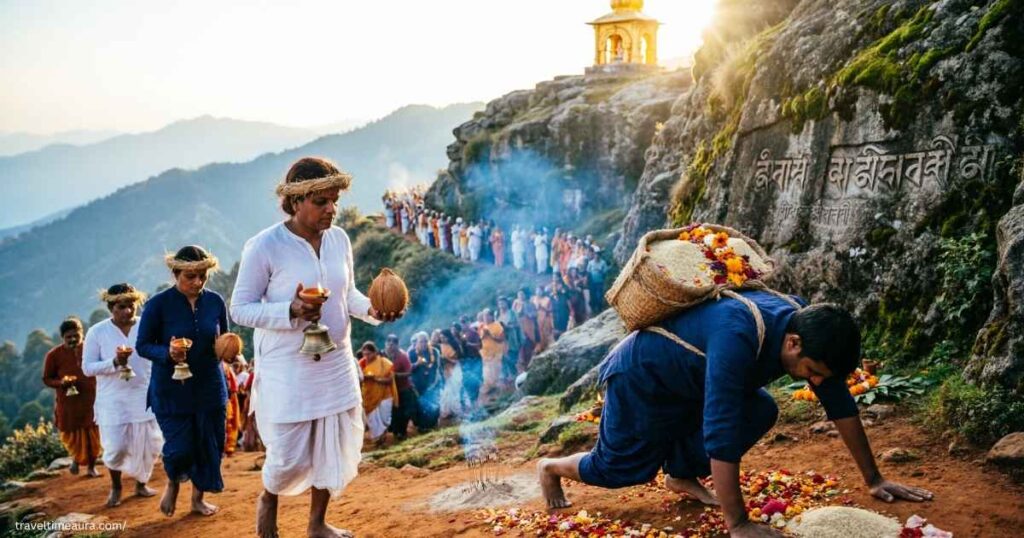
Walking the Govardhan Parikrama is not just about covering a route—it feels like stepping into a living tradition. The Govardhan Parikrama Distance becomes meaningful only when rituals and traditions are followed with devotion. Every step is connected with faith, stories of Lord Krishna, and centuries-old practices still alive today.
Here are some important rituals and traditions observed during the Govardhan Parikrama:
- Walking clockwise around Govardhan Hill with devotion
Devotees always walk in a circular direction as a mark of respect. It symbolizes following the divine path of Lord Krishna. Even if the Govardhan Parikrama Distance feels long, this direction is considered spiritually correct and must be followed with sincerity. - Chanting the name of Lord Krishna while walking
Many pilgrims continuously chant “Radhe Radhe” or Krishna mantras. It helps maintain focus and keeps the mind calm. It feels similar to having a spiritual rhythm guiding your steps throughout the journey. - Offering prayers at temples, kunds, and sacred stops
Along the route, devotees stop at places like Radha Kund and Kusum Sarovar. Each stop is not rushed. People sit, pray, and sometimes offer flowers or prasad, turning simple pauses into meaningful spiritual moments. - Performing a barefoot walk as a sign of humility
Many devotees choose to walk barefoot, believing it increases devotion and reduces ego. While it can be physically challenging over the Govardhan Parikrama Distance, it is seen as an act of surrender and respect. - Sharing food and water with fellow pilgrims
One beautiful tradition is helping others along the way. Pilgrims often share water, fruits, or simple meals. It creates a sense of unity, almost like everyone is part of one spiritual family walking together.
History of Govardhan Parikrama
The history of Govardhan Parikrama is deeply rooted in ancient Hindu traditions and stories connected with Lord Krishna. It is believed that devotees have been walking around Govardhan Hill for thousands of years as an act of devotion and surrender. This sacred practice symbolizes gratitude, faith, and protection from negative forces.
The tradition became more popular after the legends described in ancient scriptures, where Lord Krishna lifted Govardhan Hill to protect the villagers. Over time, pilgrims started following the circular path as a form of worship. The Govardhan Parikrama Distance is now seen as a symbolic journey of devotion that connects history, faith, and spiritual discipline.
Many saints and devotees have continued this practice for generations, making it an important part of pilgrimage culture in India.
Govardhan Parikrama Map
The Govardhan Parikrama Map shows a circular sacred route around Govardhan Hill in Mathura district. Devotees follow a clockwise path starting from key temples like Daan Ghati Mandir. The map helps pilgrims understand important stops, kunds, and temples along the way, making the journey easier and more organized.
The Govardhan Parikrama Map also connects major spiritual locations such as Radha Kund, Kusum Sarovar, and Jatipura. It acts like a guide for first-time visitors so they do not miss sacred spots. The route forms a complete circle, symbolizing devotion, balance, and the spiritual path of Lord Krishna’s teachings.
Govardhan Parikrama 21 km
The Govardhan Parikrama, 21 km, is the most traditional and widely followed route around Govardhan Hill. Devotees believe completing this full circle brings deep spiritual merit. The journey passes through temples, kunds, and sacred landmarks, offering a peaceful blend of devotion, nature, and cultural heritage along the way.
This 21 km route is considered complete because it encircles the entire holy hill in a continuous path. Pilgrims walk with faith, chanting prayers and visiting important stops. Many see it as a spiritual journey rather than just a distance, symbolizing surrender, devotion, and connection with divine energy.
Govardhan Parikrama Distance by Walk
The Govardhan Parikrama Distance by Walk is usually around 21 km for the full outer circuit. Devotees complete this journey on foot, experiencing temples, kunds, and sacred spots along the way. Walking makes the pilgrimage more personal, allowing pilgrims to connect deeply with devotion and spiritual surroundings.
This walking journey is considered highly sacred and meaningful. Many devotees prefer going barefoot as an act of faith and humility. The Govardhan Parikrama Distance by Walk may take several hours, depending on pace and stops, but it is seen as a peaceful journey of devotion rather than a physical challenge.
Govardhan Parikrama Timing
The Govardhan Parikrama timing is an important part of planning this sacred journey. Most devotees prefer starting early in the morning when the atmosphere is calm and peaceful. The cool weather helps pilgrims walk comfortably while experiencing the spiritual energy of Govardhan Hill without exhaustion or heavy crowds.
Timing also affects how smoothly the journey feels. Walking at the right hours allows better darshan at temples and kunds along the route. The Govardhan Parikrama timing is usually chosen based on weather, crowd level, and personal comfort, making the pilgrimage more meaningful and less physically tiring.
| Time of Day | Weather Condition | Crowd Level | Experience | Suitability |
| Early Morning (4–7 AM) | Cool and fresh | Low | Peaceful and spiritual | Best for all pilgrims |
| Morning (7–11 AM) | Pleasant | Moderate | Active temple visits | Good for regular walkers |
| Afternoon (11 AM–3 PM) | Hot and tiring | Moderate to high | Physically challenging | Not recommended in summer |
| Evening (3–7 PM) | Cooler again | High | Scenic and devotional | Popular among visitors |
| Night (7 PM onward) | Calm but dark | Low | Quiet spiritual walk | Only for experienced pilgrims |
Choosing the right timing makes the journey smoother and more comfortable. Early hours are generally preferred because they combine peace, safety, and spiritual focus. A well-planned Govardhan Parikrama timing helps devotees enjoy the pilgrimage with devotion instead of stress or fatigue.
Govardhan Parikrama 21 km Walking Time
The Govardhan Parikrama 21 km Walking Time usually depends on a pilgrim’s pace, fitness, and number of stops along the route. Most devotees complete the full walk in about 6 to 8 hours. Early starters often finish faster, enjoying cooler weather and a more peaceful spiritual experience.
Many pilgrims take longer because they stop at temples, kunds, and sacred spots for prayers. The Govardhan Parikrama 21 km Walking Time can extend up to 10 to 12 hours for a relaxed devotional journey. Walking slowly allows devotees to enjoy the spiritual atmosphere and connect deeply with the surroundings.
Govardhan Parikrama Route
The Govardhan Parikrama Route is a sacred circular path that goes around Govardhan Hill in Mathura. Devotees follow this route to experience temples, kunds, and spiritual landmarks linked with Lord Krishna. The journey is peaceful and filled with devotion, making every step meaningful for pilgrims.
This route includes both inner and outer paths that connect important religious sites. The Govardhan Parikrama route forms a complete circle, symbolizing unity and faith. Pilgrims walk slowly, stopping for prayers and darshan, which makes the journey more spiritual than just a physical walk.
Govardhan Parikrama Distance from Vrindavan
The Govardhan Parikrama Distance from Vrindavan is quite short, making it easy for pilgrims to visit both sacred places in one trip. Vrindavan is located around 22 to 25 km away from Govardhan, depending on the route taken. Many devotees travel this distance by road before starting the parikrama.
This proximity makes the journey highly convenient for visitors coming to experience both Vrindavan and Govardhan. A vehicle can cover the Govardhan Parikrama distance from Vrindavan in less than an hour. Pilgrims often plan combined visits to enjoy spiritual darshan at both holy destinations in one pilgrimage.
Govardhan Parikrama by Rickshaw Price
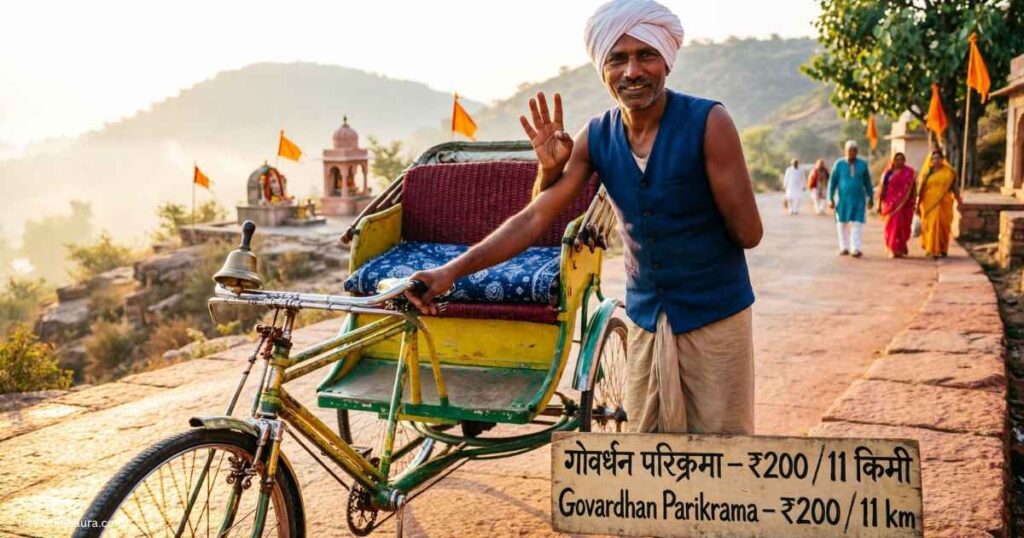
Govardhan Parikrama by rickshaw is a comfortable option for pilgrims who cannot walk the full distance. It is especially helpful for older devotees, families with children, or those with health issues. Cycle rickshaws and e-rickshaws are easily available near major starting points like Mansi Ganga.
This option allows devotees to experience the sacred journey without physical strain. The Govardhan Parikrama by rickshaw price depends on vehicle type, travel season, and negotiation. It is a practical way to complete the route while still enjoying temple stops and spiritual darshan along the way.
| Transport Type | Approximate Price | Journey Duration | Notes |
| Cycle Rickshaw | ₹300 – ₹500 | 3 to 4 hours | Budget-friendly and slow-paced |
| E-Rickshaw | ₹400 – ₹700 | 2 to 3 hours | More comfortable and faster |
| Shared Rickshaw | ₹200 – ₹350 per person | 3 to 4 hours | Cost-effective with other pilgrims |
| Private Booking | ₹700 – ₹1200 | Flexible timing | Ideal for families or groups |
| Peak Season Rates | Higher than usual | Varies | Prices increase during festivals |
Rickshaw drivers are familiar with the entire route and usually stop at major temples and kunds for darshan. This makes the journey smooth and well-guided. Even without walking, pilgrims can still enjoy the spiritual atmosphere and complete the parikrama peacefully with comfort and devotion.
You may also like: Kundrathur Murugan Temple Timings 2026, Darshan Schedule, Pooja Details & Complete Visitor Guide
Frequently Asked Questions
How long is the Govardhan Parikrama Distance?
The full route is around 21 km circular path around Govardhan Hill. It usually takes 6 to 8 hours walking.
What is the best time for Govardhan Parikrama Distance?
Early morning and winter months are ideal for comfortable walking. The weather stays cool, making the journey peaceful and less tiring.
How difficult is the Govardhan Parikrama Distance for beginners?
The walk is moderate and manageable with breaks. Beginners can complete it slowly with rest stops at temples and kunds.
Can the Govardhan Parikrama Distance be completed by vehicle?
Yes, e-rickshaws and cycle rickshaws are available. They help pilgrims cover the route comfortably without physical strain or fatigue.
What should I carry during the Govardhan Parikrama Distance?
Carry water, light snacks, and comfortable footwear. Stay hydrated and walk slowly while enjoying the temples and spiritual surroundings peacefully.
Conclusion
Govardhan Parikrama Distance is not just a measurement but a spiritual experience filled with devotion and peace. The journey around Govardhan Hill is deeply meaningful for pilgrims who walk with faith. The circular path, known as the 21 km govardhan parikrama route, is considered sacred and powerful in Hindu tradition.
Completing the Govardhan Parikrama Distance gives a strong sense of calm and inner connection. Many devotees also refer to it as Govardhan parikrama in km, as it reflects the full journey around the holy hill. This sacred walk becomes a path of devotion, where every step brings peace, reflection, and spiritual satisfaction.