Have you ever felt like tech education is moving faster than you can keep up? One day you’re learning a new tool, and the next day it’s already outdated. It’s frustrating, isn’t it? Millions of learners feel the same way every single day.
This blog covers the latest droven io tech education trends changing how people learn today. From droven.io machine learning trends to AI-powered classrooms, we break it all down simply. Tech education is evolving fast, and you deserve clear, honest insights. Stay with us — you’ve found exactly the right place.
The Changing Face of Education
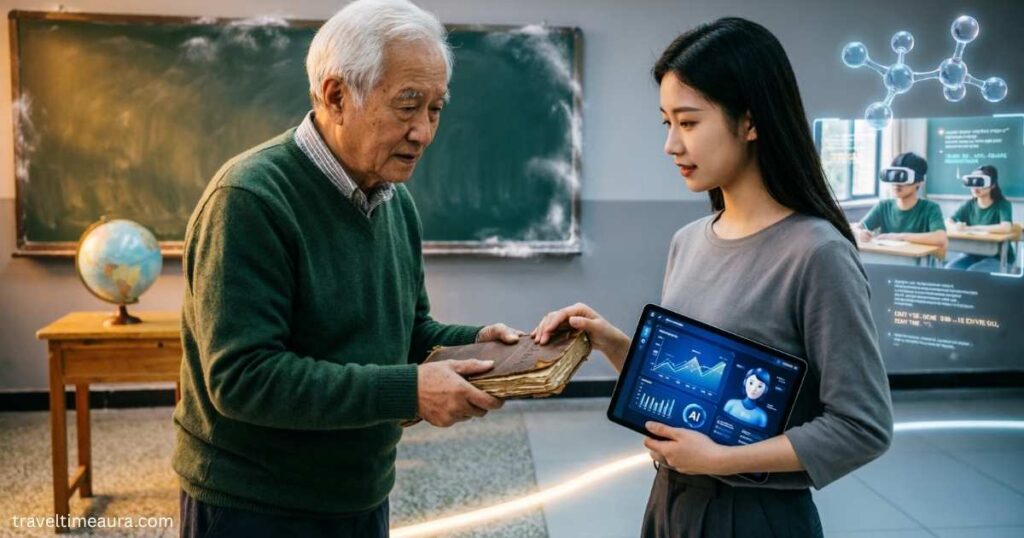
Education doesn’t look the same as it did ten years ago. Classrooms are smarter, lessons are more interactive, and students are learning at their own pace. Tech education has completely changed how teachers teach and how students absorb knowledge. It’s a genuine shift — not just a trend.
Think about it — kids today use tablets, apps, and AI tools daily. Schools are moving away from memorization and toward real skill-building. The focus has shifted to preparing students for a digital world. Tech education is no longer optional; it’s the new foundation every modern learner needs to thrive.
Digital Learning Expansion
Digital learning has exploded over the past few years, and it’s not slowing down. More students now access tech education through online platforms, mobile apps, and cloud-based tools. This expansion means learning is no longer limited to a physical classroom. Wherever you have internet access, you have an opportunity to grow and develop new skills.
Role of Artificial Intelligence
Artificial intelligence is quietly transforming how students learn every single day. It personalizes lessons, spots knowledge gaps, and delivers real-time feedback instantly. AI-powered tools adapt to each student’s pace, making tech education smarter and more effective than ever before. You’re not just learning from a screen anymore — you’re learning from a system that actually understands you.
Hybrid Classroom Models
Hybrid classrooms blend in-person teaching with online learning, and honestly, it works really well. Students get the social benefits of a physical classroom and the flexibility of digital tools. Tech education thrives in this model because it combines human connection with smart technology. It’s the best of both worlds, and more schools are adopting it every year.
Student Engagement and Interaction
Student engagement has never been more important, and technology is making it easier to achieve. Interactive learning tools like quizzes, polls, and live discussions keep students actively involved in lessons. Tech education works best when students aren’t just watching — they’re participating. Real-time feedback helps them stay on track and builds genuine confidence in their own learning journey.
Data and Learning Outcomes
Data is quietly becoming one of the most powerful tools in modern education. Teachers now track student performance through educational analytics, giving them clear insight into what’s working and what isn’t. Tech education uses this data to improve learning outcomes for every individual student. It’s not about surveillance — it’s about understanding each learner better and helping them succeed faster.
The Rise of Personalized Learning
Personalized learning is changing the game completely. Every student learns differently, and tech education finally recognizes that. Adaptive learning systems study how you learn and adjust lessons to match your pace. You’re not forced to keep up with the class — the system keeps up with you.
No two learners follow the same path anymore. AI-powered tools analyze your strengths and weaknesses, then build a custom experience just for you. Tech education is shifting from one-size-fits-all to something far more human. That’s not just smart — it’s the future of learning done right.
Technology as a Learning Companion
Technology today isn’t just a classroom tool — it’s a genuine learning companion. It supports students through smart devices, mobile apps, and digital learning platforms that make studying flexible and fun. Tech education becomes more powerful when technology walks alongside the learner every step of the way.
Modern learners don’t just sit and listen anymore. They interact, explore, and discover using AI-powered learning tools that respond to their needs instantly. However, technology works best alongside a great teacher — not as a replacement. Balance is everything in today’s learning environment.
Key Benefits of Technology as a Learning Companion:
- Provides access to digital learning platforms anytime and from anywhere you choose
- Uses AI-powered tools to simplify complex concepts into bite-sized, understandable lessons
- Supports flexible learning through mobile apps and cloud-based systems built for modern students
- Boosts student engagement by making lessons more interactive, visual, and genuinely enjoyable
- Helps learners study at their own pace without pressure or unnecessary stress
- Strengthens knowledge retention through real-time feedback and personalized practice exercises
- Works most effectively when combined with strong teacher guidance and human support
The Shift Toward Skills Over Degrees
Employers today care less about your degree and more about what you can actually do. Skill-based learning is rising fast because businesses need people who are job-ready from day one. Career readiness and professional training now matter more than the name on your certificate or diploma.
Traditional education had its place, but the world has moved on quickly. Digital learning platforms and AI-powered tools now offer faster, flexible paths to real expertise. Lifelong learning is becoming the new standard, and working professionals are leading that charge with confidence.
How Traditional Education Compares to Modern Skill-Based Learning:
| Traditional Education | Modern Skill-Based Learning |
| Focuses on degrees and academic certificates | Focuses on practical, job-ready abilities and real skills |
| Fixed long-term schedules with a rigid classroom structure | Flexible online and hybrid learning at your own pace |
| Mostly theory-based with limited hands-on practice | Project-based learning with simulations and real tasks |
| Success is measured purely by grades and final exams | Success measured by actual performance and demonstrated skills |
| High time and financial investment to complete | Faster professional training at significantly lower cost |
| Limited updates to match current industry demands | Continuously updated content aligned with modern job markets |
Flexible Learning Environments
Learning doesn’t have to happen in a classroom between 9 and 3 anymore. Flexible learning environments give students and working professionals the freedom to learn on their own schedule. Mobile learning platforms and cloud-based learning systems make this possible from virtually anywhere in the world. Tech education is breaking free from rigid structures, and that’s genuinely exciting for millions of learners everywhere today.
The benefits go far beyond just convenience, though. Remote students, working parents, and rural learners now access the same quality education as anyone else. Digital learning platforms remove geographical barriers and open doors that were previously closed. Tech education thrives in flexible environments because it meets learners exactly where they are. Whether you’re on a bus, at home, or during a lunch break, learning never has to stop.
Immersive and Interactive Learning
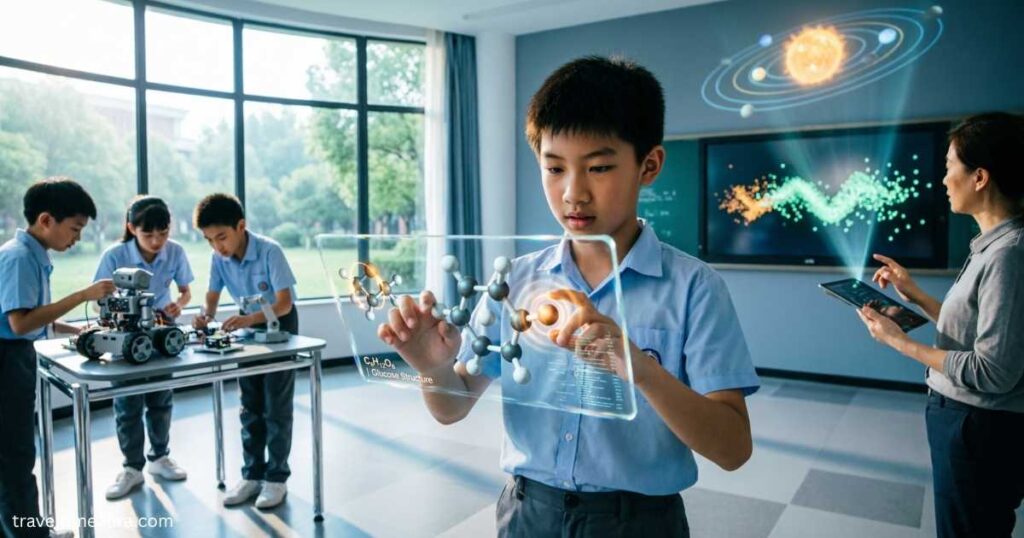
Imagine learning about the human body by actually walking through it in virtual reality. That’s not science fiction anymore — it’s happening in classrooms right now. Immersive learning uses virtual simulations, 3D environments, and interactive tools to make lessons unforgettable. Students don’t just read about concepts anymore. They experience them firsthand, and that kind of hands-on exposure builds a deeper understanding than any textbook ever could.
Interactive learning tools are changing the pace of education in remarkable ways. Gamified lessons, live simulations, and collaborative digital projects keep students genuinely engaged from start to finish. Knowledge retention improves dramatically when students are active participants rather than passive listeners. Real-time feedback tells them instantly where they went wrong and how to improve. Learning feels less like a chore and more like an adventure worth showing up for every single day.
Data-Driven Insights in Education
Data-driven insights are quietly reshaping how schools understand and support their students every day. Teachers now use educational analytics to track student performance, spot learning gaps, and adjust their teaching approach in real time. Digital learning platforms collect valuable data from every interaction, and that information helps build smarter, more targeted lessons for every type of learner inside the classroom.
This approach improves learning outcomes by giving educators a clear, honest picture of student progress. However, it only works when data is collected responsibly and stored securely. Poor data management can seriously damage trust between institutions and families. Tech education benefits most when data-driven decisions are made carefully, ethically, and always with the student’s genuine best interest at heart.
Key Benefits of Data-Driven Insights in Education:
- Tracks student performance continuously and highlights areas that need immediate attention
- Supports personalized learning paths using real behavioral and academic data insights
- Helps teachers refine their methods through accurate and consistent real-time feedback
- Identifies specific weak areas so targeted improvement strategies can be applied effectively
- Strengthens decision-making for schools and institutions using reliable educational analytics tools
- Ensures better learning outcomes by aligning teaching strategies with actual student needs
- Requires responsible, secure, and transparent data management to maintain trust and integrity
You may also like: Revolvertech Gaming 2026: Secrets, Reviews & Hidden Insights
The Role of Continuous Learning
The world doesn’t stop changing, and neither should you. New tools, technologies, and methods emerge every year, and staying relevant means keeping up consistently. Continuous learning helps students and professionals grow beyond their current skill set. Tech education makes this easier by offering accessible, flexible resources that fit into even the busiest schedules without overwhelming anyone trying to improve.
Lifelong learning isn’t just a buzzword anymore — it’s a genuine career strategy. Professionals who keep learning adapt faster, earn better opportunities, and stay ahead of automation. However, continuous learning requires real commitment, motivation, and access to quality resources. Without those three things, even the best digital learning platforms won’t deliver the growth and career readiness that modern professionals truly need today.
Why Continuous Learning Matters in Today’s World:
- Builds career readiness by consistently developing relevant and in-demand professional skills
- Strengthens lifelong learning habits that keep you growing long after formal education ends
- Helps individuals adapt confidently to new technologies and rapidly shifting industry demands
- Expands job opportunities by making you more valuable in competitive and evolving markets
- Supports professional training that aligns directly with current real-world workplace expectations
- Encourages knowledge retention through regular practice, revision, and application of new concepts
- Requires steady motivation, dedicated time, and access to reliable, quality learning resources
Challenges and Considerations
Digital learning brings incredible opportunities, but it also comes with real challenges that can’t be ignored. Not every student has equal access to devices, reliable internet, or quality digital tools. The digital skills gap remains a serious issue across many communities worldwide. Tech education can only reach its full potential when these access barriers are honestly acknowledged and actively addressed.
AI-powered systems and smart education platforms are advancing faster than many institutions can handle. Cybersecurity in digital classrooms is a growing concern as student data becomes increasingly vulnerable online. Data privacy must be treated as a priority, not an afterthought. Rushing into new technology without proper planning creates more problems than it solves for students and educators alike.
Key Challenges and Practical Considerations in Digital Learning:
| Challenge | Consideration |
| Poor internet access in rural and remote areas | Governments must invest in stronger and more affordable digital infrastructure |
| Unequal device availability among low-income students | Institutions should provide subsidized devices and community-based tech support |
| Weak cybersecurity in online learning environments | Strong data privacy policies must protect every student’s personal information |
| Teachers lacking digital skills and confidence | Regular professional training programs help educators adapt to modern learning tools |
| Over-reliance on technology replacing human teaching | Hybrid classroom models must balance digital tools with traditional teacher guidance |
| High costs of advanced educational technology | Schools need scalable and budget-friendly solutions that work across different settings |
| Student screen fatigue and reduced concentration | Blended learning approaches help maintain healthy engagement and reduce digital burnout |
The Future of Learning
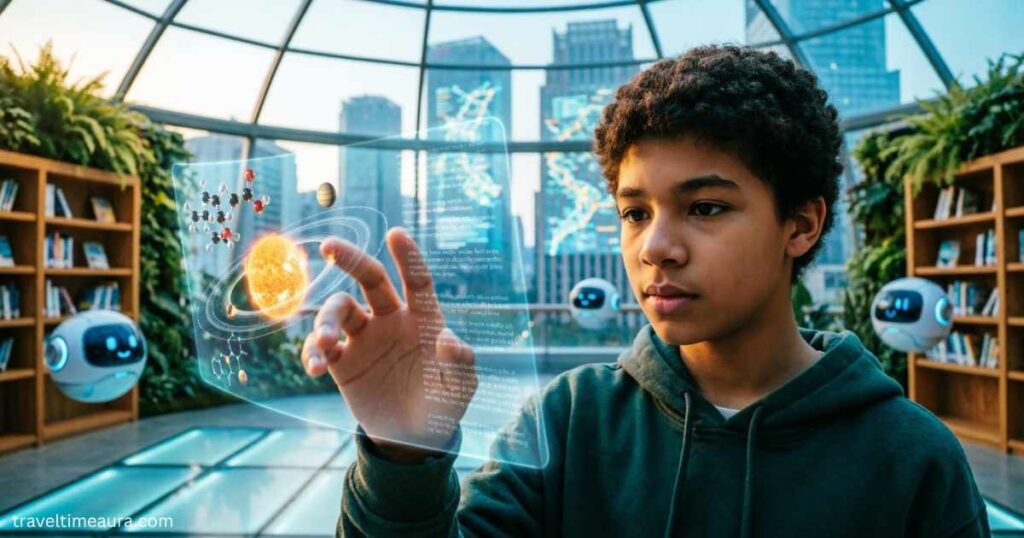
The future of learning is brighter, smarter, and more inclusive than ever before. AI-powered systems, adaptive learning platforms, and immersive digital tools are reshaping education from the ground up. Tech education is moving toward a world where every learner gets a personalized, flexible, and genuinely effective experience. That future isn’t far away — it’s already beginning right now.
Smart education systems will soon predict what you need before you even realize it yourself. Virtual simulations, machine learning, and cloud-based platforms will make quality education accessible to everyone everywhere. However, reaching that future requires strong digital infrastructure and equal access for all. The goal is simple — make learning work better for every single person, regardless of background or location.
What the Future of Learning Looks Like:
- Expands global access through flexible mobile learning platforms and online education tools
- Delivers smarter experiences using AI-powered adaptive learning systems built for every learner
- Makes education genuinely student-centered by focusing on individual pace and personal goals
- Increases engagement through immersive virtual simulations and highly interactive learning environments
- Bridges the digital skills gap by making quality resources available to underserved communities
- Relies on strong cloud-based digital infrastructure to support seamless and uninterrupted learning
- Combines human teaching with smart technology for a balanced and future-ready education system
Frequently Asked Questions
How Does Tech Education Support Career Growth?
It builds practical abilities for modern workplaces. Students gain confidence using software, coding tools, and technical problem-solving methods effectively.
Can Tech Education Improve Learning Skills?
It encourages creative thinking and better research habits. Students learn faster through interactive tools, digital platforms, and guided activities regularly.
Which Careers Benefit From Tech Education?
Many industries require technical knowledge today. Fields like healthcare, business, engineering, and marketing depend on digital systems and advanced tools.
Does Tech Education Help Students Work Online?
It prepares learners for remote communication and online collaboration. Students understand digital platforms, project management systems, and virtual teamwork processes.
How Does Tech Education Influence Innovation?
It develops critical-thinking and creative planning abilities. Learners discover modern solutions, build projects, and explore advanced technological developments confidently.
Conclusion
Tech Education is changing learning methods around the world. Students now use digital tools to improve knowledge and practical skills. Schools and training centers are adding modern systems for better learning experiences. Many learners also follow droven io tech education trends to understand current industry changes and future opportunities. These trends help students prepare for modern careers and technical workplaces. Online classes and interactive platforms make lessons more engaging and flexible. Technology also supports teamwork, creativity, and faster communication among students and teachers today.
Tech Education continues to create better opportunities for students and professionals. It supports innovation and helps learners stay ready for future challenges. Many companies now prefer workers with strong technical and digital abilities. People also explore droven.io machine learning trends to learn about smart technologies and automated systems. These trends encourage better learning and career growth in many industries. Modern education systems now focus on practical knowledge and digital experience. This approach helps learners build confidence, improve skills, and achieve long-term success in competitive workplaces worldwide.