If you have ever felt lost searching for a peaceful spiritual spot in Mumbai’s crowds. Many travelers end up discovering Babulnath Temple when they seek calm religious experiences in the city. It often surprises visitors how such a quiet shrine exists amid busy streets in nearby areas. This guide on Babulnath Temple will help you understand its significance and hidden charm clearly.
We will explore Babulnath Temple and give you complete guidance for a smooth visit experience. Here you will find Babulnath Temple Timings, Babulnath Mandir timings explained simply. You will discover Babulnath Temple tickets and Babulnath Temple’s nearest railway station details easily here. Babulnath Temple Babulnath aarti timing will help you plan your perfect visit experience easily today.
Babulnath Temple Timings – Daily Visit, Aarti Schedule, and Special Days
Babulnath Temple Timings help visitors plan a smooth and peaceful darshan experience every day. The temple usually opens in the morning and stays open till evening with breaks for rituals. Devotees can attend morning and evening aarti, which creates a calm spiritual atmosphere inside the temple premises throughout the day.
Special days like Shravan and Mahashivratri bring extended Babulnath Temple Timings for devotees. Extra aarti sessions and longer darshan hours make the visit more meaningful. These days feel more vibrant, with large crowds gathering for blessings. Visitors should plan early to avoid the rush and enjoy a peaceful spiritual experience overall today.
Daily Temple Timings
Babulnath Temple follows a fixed daily schedule that makes it easy for devotees to plan their visit. The temple usually opens early in the morning for morning prayers and darshan. Visitors can enter peacefully and offer prayers before the crowd increases during peak hours in the city’s routine.
The temple remains open throughout the day with short breaks for rituals and cleaning. Evening hours are popular for a calm darshan and aarti experience. Devotees often prefer this time for a peaceful visit after work. The daily flow ensures everyone gets enough time for prayer and reflection easily.
Morning and Evening Aarti Timings
Morning and evening aarti at the temple create a deeply peaceful spiritual atmosphere for devotees. The day begins with sacred chants and rituals that awaken divine energy. Many visitors prefer early morning aarti for a calm start, while others choose evening aarti to unwind after a busy day in Mumbai.
These aarti sessions are carefully scheduled to allow devotees to experience different forms of worship. Each ritual has its own meaning and timing, offering a unique spiritual connection. The sound of bells, chants, and lamps during these moments makes the temple experience truly memorable for every visitor.
| Aarti Name | Timing |
| Mangala Aarti | 4:45 AM – 5:00 AM |
| Morning Aarti | 6:30 AM – 7:00 AM |
| Noon Aarti | 12:00 PM – 12:30 PM |
| Evening Aarti | 6:30 PM – 7:00 PM |
| Shringar Aarti | 8:30 PM – 9:00 PM |
| Shej Aarti | 9:45 PM – 10:00 PM |
| Special Shravan Aarti | 5:00 AM – 5:30 AM |
Morning Mangala Aarti begins before sunrise and feels very calming with sacred chants. Evening Shringar Aarti brings decorated rituals with lamps and devotion. The final Shej Aarti ends the day peacefully as the deity is offered rest, creating a soothing and spiritual close to the temple’s daily worship cycle.
Babulnath Temple Timings on Sunday
Sundays bring a steady flow of families and devotees to the temple for peaceful darshan. The temple usually follows its regular schedule without major changes. Morning hours feel more spiritual, while evenings become lively with chants and aarti. Visitors enjoy a calm yet vibrant atmosphere throughout the day in Mumbai.
Sunday Timings: 5:30 AM – 10:00 PM
Crowds are larger on Sundays, especially during morning and evening aarti sessions. Arriving early helps you avoid long queues and enjoy a smoother darshan experience. Devotees often plan Jal Abhishek and prayers during this time. The temple remains well-managed with clear movement even during busy hours.
Babulnath Temple Timings on Monday
Mondays hold special importance for devotees visiting the temple, especially followers of Lord Shiva. The atmosphere feels more devotional with increased chanting and prayers throughout the day. Early morning hours are calm, making it ideal for a peaceful darshan before the crowd begins to build up in the temple premises.
Monday Timings: 5:30 AM – 10:00 PM
On Mondays, the temple sees a higher number of visitors during morning and evening aarti. Devotees often perform Jal Abhishek and special Shiva prayers on this day. The temple management ensures smooth crowd flows for everyone. Visiting early helps you enjoy a quieter and more focused spiritual experience overall.
Special Timings During Shravan Month
The Shravan month is considered the most sacred time for devotees of Lord Shiva at this temple. During this period, the temple remains open for longer hours to accommodate the heavy rush of visitors. The spiritual energy feels stronger as people arrive daily for prayers, abhishek, and blessings with deep devotion and faith.
The temple also hosts special rituals throughout Shravan, making the experience more divine and meaningful for devotees. Morning and evening sessions include extended chanting, aarti, and offerings. Many visitors observe fasts and come every Monday. The entire temple atmosphere becomes vibrant with devotion, lights, flowers, and continuous sacred prayers everywhere.
| Activity | Timing |
| Extended Shravan Month Timings | 5:30 AM – 10:30 PM |
| Morning Aarti | 5:30 AM – 6:30 AM |
| Evening Aarti | 6:30 PM – 8:30 PM |
| Temple Closing Time | 10:30 PM |
Shravan month transforms the temple into a highly spiritual space filled with devotion and energy. Special pujas, abhishek rituals, and continuous chanting take place throughout the day. Devotees feel a strong connection during this holy period, as the temple environment becomes more vibrant, peaceful, and deeply uplifting for all visitors.
Babulnath Temple Timings on Mahashivratri
Mahashivratri is the most powerful and crowded festival at the temple dedicated to Lord Shiva. Devotees arrive from early morning and stay through the night for continuous worship. The atmosphere feels deeply spiritual with chants, lamps, and nonstop prayers filling every corner of the temple premises.
Mahashivratri Timings: 4:00 AM (Opening) – 6:00 AM the next day (Closing)
During Mahashivratri, the temple remains open for almost the entire day and night without interruption. Special Abhishek ceremonies and aarti happen at regular intervals. Devotees wait in long queues for darshan and blessings. The temple becomes fully devotional with bhajans, rituals, and strong spiritual energy everywhere.
Babulnath Temple Darshan Types and Pooja Offerings
The temple offers different darshan options so every devotee can worship comfortably. Free general darshan is available for all visitors throughout the day. People can also choose special darshan for quicker access and a more peaceful experience, especially during busy hours and festival times at the temple in Mumbai.
Devotees can also take part in various pooja offerings for Lord Shiva. These include Jal Abhishek, Rudrabhishek, and special prayers done by priests. Each ritual has its own spiritual meaning and benefit. The temple keeps services simple and accessible so everyone can participate with devotion and ease during a visit.
Darshan Options
The temple offers simple and flexible darshan options for all types of devotees visiting daily. Free general darshan is open for everyone throughout the day. It allows peaceful viewing of the Shivling without any booking. Visitors can also choose faster options during busy hours for a smoother temple experience overall.
VIP and special pooja services are available for those seeking a more personal spiritual visit. These options help save time during weekends and festivals. Devotees can also perform rituals like Jal Abhishek with a priest’s guidance. Each darshan type is designed to match different needs, comfort levels, and spiritual intentions clearly.
| Darshan Type | Description | Price |
| General Darshan | Open entry for all visitors without booking | Free |
| Priority Darshan | Faster entry with reduced waiting time | ₹200 |
| Personalized Pooja | Priest-assisted rituals for individual prayers | ₹1,000 |
| Jal Abhishek | Sacred water offering ritual on Shivling | ₹2,000 |
| Group Visit Pass | Entry arrangement for large groups | ₹100 per person |
| Festival Darshan | Special arrangements during peak crowd days | Variable |
General darshan is perfect for devotees who want a simple and free visit to the temple. VIP entry helps reduce waiting time during crowded days. Special rituals like Jal Abhishek offer deep spiritual meaning. Group visits make it easier for families and friends to experience devotion together in an organized way.
Pooja and Aarti Timings
The temple follows a well-organized schedule for pooja and aarti throughout the day. Each ritual is performed with devotion and traditional chants that create a peaceful atmosphere. Devotees can join at different times based on their convenience. Morning and evening sessions are especially popular among visitors for spiritual experience.
Each aarti holds deep meaning and connects devotees with divine energy. Morning rituals begin the day with positive vibrations and prayers. Evening aarti creates a calm and devotional environment with lamps and chants. These daily practices help visitors feel spiritually refreshed and more connected to Lord Shiva during their visit.
| Ritual | Time | Purpose |
| Early Morning Prayer | 4:45 AM – 5:00 AM | Spiritual awakening of the deity |
| Morning Worship | 6:30 AM – 7:00 AM | Blessings for the day |
| Midday Ritual | 12:00 PM – 12:30 PM | Daytime devotion and prayers |
| Evening Aarti | 6:30 PM – 7:00 PM | Light offering and devotion |
| Decorative Aarti | 8:30 PM – 9:00 PM | Special evening ritual |
| Night Closing Ritual | 9:45 PM – 10:00 PM | Final prayers of the day |
| Special Festival Pooja | Varies | Enhanced worship on special days |
Morning aarti fills the temple with calm chants, incense, and a peaceful start to the day. Evening aarti brings glowing lamps and collective prayers that feel powerful. Each ritual is carefully performed by priests using traditional methods, creating a deeply spiritual experience for every devotee who participates.
How to Reach Babulnath Temple, Mumbai
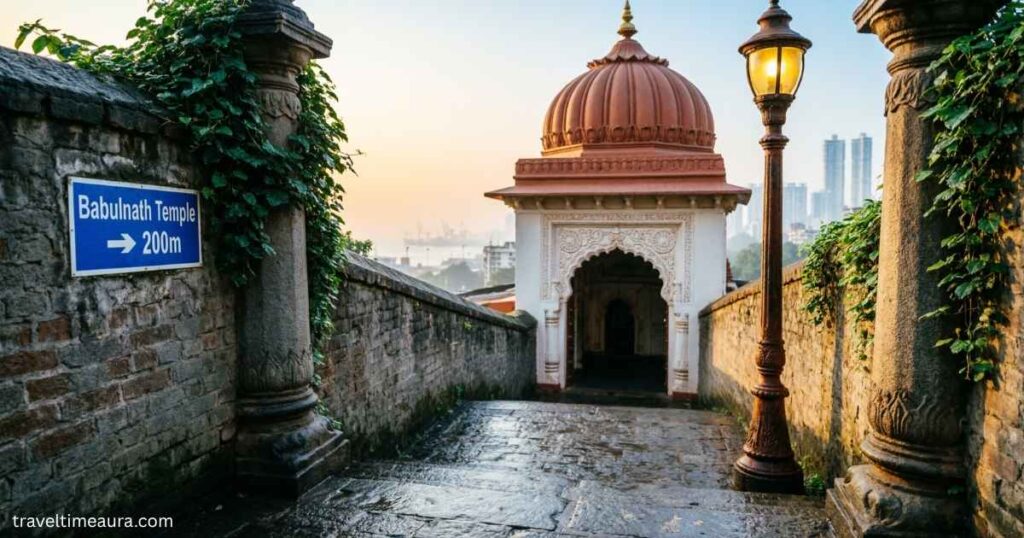
Reaching the temple is easy, as it sits in South Mumbai near Malabar Hill. You can take a local train to Charni Road or Grant Road station. From there, taxis, buses, or a short walk will take you uphill. Roads are well-connected, and signs guide visitors clearly today.
Many visitors prefer using taxis or app cabs for a direct trip to the temple. BEST buses also run frequently across Mumbai and stop nearby. Walking from Chowpatty offers a scenic route with sea views. The final stretch includes steps or a lift for easier access to the shrine.
Nearest Station
Charni Road station to Babulnath Temple is the most convenient railway route for visitors. It lies on the Western Line and is close to Girgaum Chowpatty. From here, you can reach the temple easily by walking, taxi, or auto. The route is well-connected and commonly used by devotees daily.
Nearest Station Options:
- Charni Road Station: 1 km (15–20 min walk)
- Marine Lines Station: 2.5 km
- Grant Road Station: 2 km
- Churchgate Station: 3 km
From Charni Road, exit toward the Girgaum side and follow road signs uphill. The walk includes gentle slopes and stairs. You will pass local streets and scenic views. Most visitors find the route simple, and locals are always available to guide you if you feel unsure during your walk.
Travel from Nearby Stations
Charni Road remains the most preferred option due to its short distance. Walking takes around 15–20 minutes, depending on pace. Auto-rickshaws and taxis are available outside the station for quicker travel. BEST buses also connect this route, dropping you near Girgaum Chowpatty, followed by a short uphill walk.
Grant Road and Marine Lines stations are also useful alternatives. From these stations, taxis or buses take around 10–15 minutes to reach the temple base. Churchgate is slightly farther but well-connected through cabs and buses. During festivals, taxis are more comfortable due to the heavy crowd conditions.
Babulnath Temple Surroundings and Facilities
The temple surroundings feel peaceful and well-organized, giving visitors a calm spiritual experience in busy Mumbai. You can find clean spaces, helpful staff, and basic amenities around the temple area. Everything is arranged to make your visit smooth, comfortable, and suitable for families, older people, and regular devotees throughout the day.
Facilities Available
- Lift service available for easy access to the upper shrine area
- Safe footwear storage counter for shoes and sandals
- Free drinking water points across the temple premises
- Shaded seating zones for rest
- Clean washroom facilities are maintained regularly
- Prasad distribution counters for devotees after darshan
- Small gardens with peaceful green surroundings
- Volunteer support for older and disabled visitors
The temple also ensures strong safety and comfort for all visitors. Security staff manage the crowd smoothly and guide devotees when needed. CCTV cameras are installed for monitoring, and first-aid help is available in case of emergencies. Overall, the surroundings create a safe, calm, and spiritually positive environment for everyone.
You may also like this: Maha Shivaratri 2026 and 2027: Fasting Significance
Babulnath Temple Entry Fee
Visiting the temple is simple and budget-friendly for all devotees coming for darshan. The temple follows a free entry system for general visitors, so you can enter without buying a ticket. It allows everyone to pray peacefully, enjoy the spiritual atmosphere, and take the blessings of Lord Shiva with ease.
The temple keeps its services open and affordable for every visitor. General darshan is free throughout the year, including festivals. Only a few optional facilities, like lift access and special pooja services, may have small charges. This helps maintain cleanliness, safety, and smooth visitor movement inside the temple premises.
- General Darshan: Free (₹0)
- Lift Service: ₹1 per person
- Special Pooja Services: ₹500 – ₹2,000 (depends on ritual)
- Prasad Offering: ₹10 – ₹100 (optional donation)
- Photography: Not allowed inside the sanctum (no fee applicable)
This entry fee structure keeps the temple open and accessible for everyone. Devotees can worship without financial burden while choosing optional paid services if needed. The system ensures fairness and supports maintenance, while preserving the temple’s spiritual purpose as a welcoming place for all visitors.
Best Time to Visit Babulnath Temple
Ever noticed how some places feel completely different depending on when you visit? Babulnath Temple is one of those rare spots in Mumbai where timing can truly change your experience. At one moment, it feels calm and meditative, and at another, it turns vibrant with chants, bells, and devotion filling the air.
Located on the peaceful slopes of Malabar Hill, this Shiva temple attracts both early morning devotees and evening visitors looking for spiritual calm. The best time to visit really depends on what you want—quiet reflection or a lively devotional atmosphere. Think of it like choosing between sunrise peace or sunset energy; both are beautiful, just different moods of the same sacred place.
Ideal Times to Visit
Early Morning (5:30 AM – 8:00 AM)
This is the most peaceful time at the temple. The air feels fresh, and the crowd is minimal. Morning aarti adds a calming spiritual vibe, making it perfect for meditation, Jal Abhishek, or silent prayer. Many regular devotees say this is when the temple feels most “alive” spiritually, yet deeply quiet at the same time.
Evening Aarti Hours (6:00 PM – 8:30 PM)
Evenings bring a completely different energy. Lamps glow, bells ring, and chants echo through the temple corridors. It feels more social and devotional, with families and groups gathering together. If you enjoy rituals and atmosphere, this is the best time to witness the temple’s spiritual heartbeat.
Avoid Peak Festival Rush (Mahashivratri & Shravan Mondays)
These days are incredibly powerful spiritually, but also extremely crowded. The temple stays open longer, and queues can be long. If you prefer calm darshan, avoid peak festival hours. However, if you want to experience raw devotion and energy, these are unforgettable moments.
Monsoon Season Visits (July–September)
Visiting during the monsoon feels magical. The climb to the temple becomes scenic with greenery and cool winds. However, stairs can get slippery, so careful walking is important. Many visitors enjoy the misty view of Mumbai from Malabar Hill during this time.
History of Babulnath Temple, Mumbai
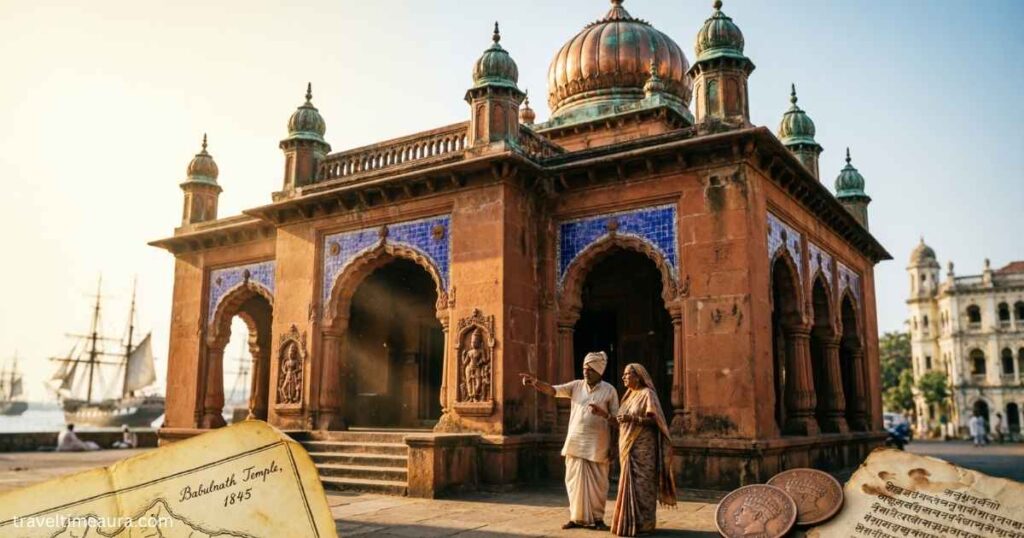
The history of Babulnath Temple goes back several centuries, making it one of the oldest Shiva temples in Mumbai. It is believed that the original shrine was built during the medieval period. The temple stands on a hill, symbolizing devotion rising above the busy city life of Mumbai.
Over time, the temple was rebuilt and restored to preserve its sacred Shivling and traditional structure. British-era developments in Mumbai once threatened its existence, but devotees ensured its survival. Today, it remains a strong spiritual landmark that reflects faith, resilience, and deep cultural heritage in the heart of the city.
Visiting Tips and Best Time to Visit Babulnath Temple
Ever walked into a temple and instantly felt calmer, like the noise of the city just faded away? That’s exactly what happens at Babulnath Temple, especially if you plan your visit right. Tucked on the peaceful heights of Malabar Hill, this Shiva shrine becomes a completely different experience depending on when and how you go. A little planning can turn your visit into something truly memorable rather than rushed or crowded.
Think of it like visiting a quiet café before rush hour versus peak time. Same place, different experience. Here’s how you can make the most of your visit to Babulnath Temple, enjoy smooth darshan, and feel more connected during your time there.
Go Early for Peaceful Darshan
Early mornings, especially between 5:30 AM and 8:00 AM, are the best time to visit Babulnath Temple. The air feels fresh, and the crowd is light. Morning aarti adds a deeply calming energy. If you want silent prayer time or Jal Abhishek, this is your golden window.
Dress Simply and Respectfully
Wear modest and comfortable clothes. Traditional attire always fits well with the temple atmosphere. Avoid shorts or sleeveless outfits. Think of it as dressing in a way that respects the space and the devotion of others around you. It also helps you blend into the spiritual vibe naturally.
Plan Around Aarti Timings
If you enjoy rituals, try to align your visit with Babulnath aarti timings. Morning and evening aarti sessions are especially powerful, with bells, chants, and lamps creating a strong devotional feeling. Arriving 10–15 minutes early helps you get a good spot without rushing.
Keep Your Visit Simple and Light
Carry only essentials like water and small offerings such as flowers or bel leaves for Lord Shiva. Heavy bags can slow you down on the stairs or in the lift queue. Also, keep your phone on silent to maintain the peaceful temple environment.
Avoid Peak Crowd Days if You Prefer Calm
Mahashivratri and Shravan Mondays bring huge crowds. These days are spiritually intense but not ideal for quiet darshan. If you prefer a relaxed visit, weekdays or early mornings are much better. However, if you want vibrant devotion, these festivals are unforgettable.
Nearby Attractions Around Babulnath Temple
Ever thought a temple visit in Mumbai could easily turn into a full-day experience? That’s exactly what happens at Babulnath Temple. Nestled in the heart of Malabar Hill, it sits close to some of the city’s most iconic spots. So after your peaceful darshan, you don’t really have to rush back—you can explore, relax, and enjoy Mumbai’s charm at your own pace.
It’s like finishing a calm spiritual chapter and then stepping straight into the city’s vibrant story. From beaches and viewpoints to heritage spots and food streets, everything is just a short ride or walk away. Let’s look at some nearby places that perfectly complement your temple visit.
Girgaum Chowpatty (1 km)
Just a short walk downhill, this beach is perfect for unwinding after darshan. You can sit by the sea, enjoy street food like bhel puri, or watch a peaceful sunset. Many visitors combine Babulnath Temple timings with an evening at Chowpatty for a relaxed end to their day.
Marine Drive (2 km)
Known as the “Queen’s Necklace,” Marine Drive is one of Mumbai’s most loved spots. After visiting the temple, a slow walk here feels refreshing. The waves, breeze, and city lights create a calming contrast to your spiritual experience, almost like two sides of Mumbai in one day.
Hanging Gardens & Kamala Nehru Park (1.5 km)
These green spaces on Malabar Hill are perfect if you want quiet time in nature. Families often bring kids here after temple visits. The gardens offer sea views, shaded paths, and a peaceful break from the city noise. It feels like nature is gently slowing you down.
Walkeshwar Temple & Banganga Tank (2 km)
If you’re in a spiritual mood, this ancient site adds depth to your journey. The temple and sacred water tank carry centuries of history. Many visitors feel a strong sense of calm here, similar to Babulnath Temple, but with a more traditional old-Mumbai charm.
Mani Bhavan Gandhi Museum (3 km)
This place offers a completely different experience. It’s the former home of Mahatma Gandhi and is now a museum. If you enjoy history, it gives you a thoughtful pause after your spiritual visit, showing another important side of India’s journey.
Babulnath Temple Tickets
Visitors often search for Babulnath Temple tickets before planning their darshan. The temple keeps entry simple and affordable for everyone. General darshan is completely free, so devotees can walk in without booking. Only a few special services have small charges, which are optional and based on individual spiritual needs.
- General Darshan: Free (₹0) for all visitors
- VIP Darshan: ₹200 for faster queue access
- Special Pooja Booking: ₹1,000 for priest-led rituals
- Jal Abhishek: ₹2,000 for sacred water offering ceremony
- Group Darshan: ₹100 per person (minimum group required)
The temple does not charge any fee for regular entry, making it accessible for everyone. Paid services are only for added convenience or special rituals. During festivals, demand increases, so VIP or pooja bookings may sell out quickly. All payments are made directly at the temple counter, ensuring a simple process.
Babulnath Temple, Malabar Hill
Babulnath Temple sits peacefully on Malabar Hill, one of the most scenic and upscale areas of Mumbai. The temple rises above the city, offering a calm escape from traffic and noise. Devotees climb steps or use a lift to reach the shrine, enjoying a refreshing spiritual journey along the way.
The location adds charm to the temple experience with views of the nearby sea and greenery. Malabar Hill is known for its quiet streets and cultural importance. Visiting here feels like stepping away from city chaos into a peaceful spiritual zone. The surroundings make every darshan more relaxed and meaningful overall.
Babulnath Temple Photos
Babulnath Temple photos attract many visitors because of its beautiful architecture and peaceful hilltop setting. The temple looks stunning from the outside, but photography rules are strict inside the sacred areas. Visitors can still capture memorable shots of the surroundings while respecting the spiritual environment and traditions of the temple.
- Exterior temple views can be photographed freely
- Architectural details outside the shrine are allowed for pictures
- Main Shivling and inner sanctum photography is strictly prohibited
- Inside temple halls, do not permit photos or videos
- Always ask permission before clicking devotees or priests
- Respect silence and avoid flash in sacred surroundings
- Follow signage and staff instructions for photography rules
The temple’s outer structure offers great photo opportunities with its detailed carvings and tall spire. Garden areas and Malabar Hill views also create perfect scenic backgrounds. Evening lights make the temple look even more beautiful. Visitors are encouraged to enjoy the moment respectfully while capturing limited but meaningful memories.
Babulnath Temple Opening Time
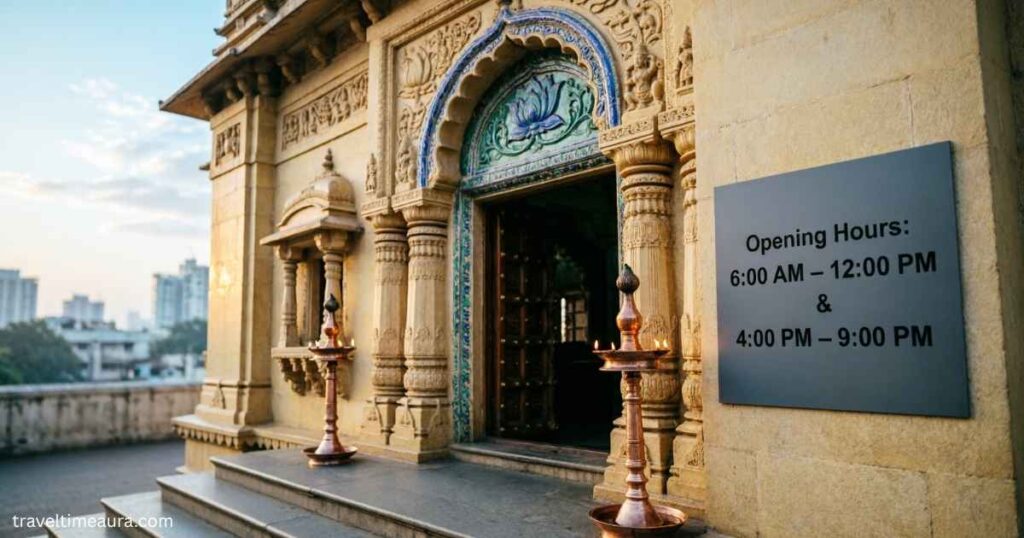
Babulnath Temple opens early in the morning, allowing devotees to start their day with peaceful prayers. The calm morning atmosphere makes it a perfect time for darshan and meditation. Many visitors prefer arriving just after opening to avoid crowds and enjoy a quiet spiritual experience at the temple.
The early opening also allows time for morning aarti and rituals performed by priests. Devotees can witness traditional prayers, chants, and offerings in a serene setting. The temple remains active throughout the day, but the early hours feel especially peaceful and spiritually uplifting for first-time and regular visitors alike.
- Opening Time: Around 5:30 AM daily
- Morning Aarti begins soon after opening
- Early hours are best for a peaceful darshan
You may also like this: Kashi Vishwanath Temple VIP Ticket Price 2026
Frequently Asked Questions
When does Babulnath Temple open for visitors?
The temple opens early in the morning, around 5:30 AM, for devotees. Morning hours feel calm, peaceful, and ideal for silent prayers.
Is entry free at Babulnath Temple?
Yes, general entry remains free for all devotees. Only special pooja services or lift usage may have small charges.
Which station is closest to Babulnath Temple?
Charni Road station is the nearest and most convenient for visitors. It takes around 15–20 minutes walking uphill to reach.
What Aarti timings are followed at Babulnath Temple?
Morning and evening aarti sessions are held daily with devotional chants. Visitors can join for a spiritual experience and blessings.
Does Babulnath Temple offer photography inside?
Photography is not allowed inside the main shrine area. Visitors can click pictures outside while respecting temple rules carefully.
Conclusion
Babulnath Temple is a peaceful Shiva shrine located in Mumbai that attracts devotees throughout the year. The experience becomes more meaningful when you understand the schedule, travel details, and rituals before visiting. Many people check Babulnath Temple Timings and Babulnath Mandir timings to plan a smooth and peaceful darshan experience.
Babulnath Temple offers free entry, and visitors often search for Babulnath Temple tickets before visiting. The nearest station to reach is Babulnath Temple, the nearest railway station, which makes travel easy. Devotees also attend Babulnath aarti timing sessions for spiritual blessings. Overall, Babulnath Temple provides calm darshan, simple access, and a deeply devotional atmosphere for every visitor.