Many people search for Maha Shivaratri dates because festival timings often feel confusing and inconsistent online. You may wonder about rituals, fasting rules, or the correct Shivratri 2027 date before planning celebrations. Some websites mention different calendars, which creates unnecessary stress for families preparing prayers together. Shivaratri also carries emotions, especially when traditions connect generations through faith, memories, and worship.
This guide explains Maha Shivaratri traditions, fasting practices, prayers, and simple spiritual practices for modern devotees. You will discover Maha Shivaratri 2027 details, including Shivaratri 2027 timings and the accurate 2027 Shivaratri date online. We also explain the Mahashivratri 2027 date confusion using simple language, practical examples, and trusted festival traditions. By the end of Shivaratri, the rituals will feel meaningful.
Maha Shivaratri Story
According to Hindu beliefs, Lord Shiva performed the powerful Shiva Tandava on this sacred night of devotion and transformation. Many devotees also believe Maha Shivaratri marks the divine marriage of Shiva and Parvati. Every year, the festival reminds people of inner peace, spiritual discipline, and overcoming darkness through prayer, meditation, and sincere devotion.
Another popular story connects Shivaratri with the Samudra Manthan, the cosmic churning of the ocean by gods and demons. During this event, Lord Shiva drank deadly poison to protect the universe and became Neelkanth. Devotees honor his sacrifice through fasting, night worship, chanting mantras, and offering Bel Patra with deep faith.
Maha Shivaratri 2026 and 2027 Date and Day
Maha Shivaratri follows the Hindu lunar calendar and is observed on Krishna Paksha Chaturdashi in the Phalguna month. Because it depends on the moon cycle, the date changes every year. Devotees carefully check Panchang details to plan fasting, night prayers, and temple visits with devotion and spiritual focus.
This sacred night is dedicated to Lord Shiva and is marked by fasting, meditation, and night-long worship. Many people eagerly wait for official calendar updates to prepare in advance. Knowing the exact timing helps devotees align rituals, stay awake during Nishita Kaal, and fully experience the spiritual energy of the festival.
| Year | Date and Day |
| 2026 | 15 February, Sunday |
| 2027 | 6 March, Saturday |
In 2026, Maha Shivaratri will be observed on Sunday, 15 February, bringing a peaceful weekend for devotion and prayer. The following year, Shivaratri 2027 falls on Saturday, 6 March, allowing devotees to participate with ease and extended worship time. These nights are considered highly auspicious for Shiva bhakti.
Both dates hold deep spiritual importance for followers of Lord Shiva across the world. People observe fasting, chant mantras, and visit temples to seek blessings. The celebration unites devotion and discipline, reminding everyone of inner strength, patience, and spiritual awakening through faith and sincere worship on this holy night.
Maha Shivaratri Festival
Devotees observe the sacred Hindu festival of Maha Shivaratri to honor Lord Shiva through fasting, prayer, and night-long devotion.
It is one of the most spiritually significant nights for Shiva devotees across India and the world. The festival emphasizes discipline, inner reflection, and deep spiritual connection through worship and meditation.
This festival is not about grand celebrations but about devotion, silence, and self-control. The Maha Shivaratri festival helps devotees focus on spiritual awakening and the purification of mind and body. The interpretation may vary depending on the situation.
- Devotees perform Shiva Abhishekam with water, milk, honey, and Bel Patra, symbolizing purity and surrender to Lord Shiva.
- Temples conduct night-long jaagran with bhajans, mantras, and readings from the Shiva Purana for spiritual upliftment.
- Fasting practices vary, from complete nirjala fasting to simple satvik food intake, depending on personal belief and health.
- Some view the festival as a celebration of Shiva-Parvati union, while others see it as a path to inner transformation and meditation.
Overall, the Shivaratri festival represents a balance between devotion, discipline, and self-awareness. It encourages individuals to look inward, control desires, and connect with higher consciousness through faith and meditation.
Maha Shivaratri Date
The Maha Shivaratri date changes every year because it follows the Hindu lunar calendar. It usually falls in late February or early March. Devotees often search for the exact Shivaratri date to plan fasting, temple visits, and night-long prayers with proper devotion and preparation.
People know this festival as Krishna Paksha Chaturdashi in the month of Phalguna. Astrologers confirm the exact date through the Hindu Panchang because the moon’s position determines the timing. Many people also refer to it as Maha Shivaratri 2026 date and Mahashivratri 2027 date for clarity and planning.
Meaning and Spiritual Significance of Maha Shivaratri
Maha Shivaratri holds deep meaning in Hindu tradition as a night dedicated to Lord Shiva and spiritual awakening. It represents the victory over darkness and ignorance through devotion, meditation, and self-discipline. Devotees see it as a powerful time to connect with divine energy and inner peace.
The spiritual significance of Shivaratri is often linked to transformation and self-realization. The interpretation may vary depending on the situation. Many believe this sacred night supports cleansing of karma, awakening consciousness, and strengthening faith through fasting, prayer, and chanting of Shiva mantras with sincere devotion and focus.
Why Fasting Is Observed on Maha Shivaratri
Fasting on Maha Shivaratri is observed to purify the body and calm the mind. Devotees believe it helps control desires and improve focus during prayers. It creates space for deeper devotion to Lord Shiva and supports a peaceful state of awareness throughout the sacred night of worship.
The interpretation may vary depending on the situation. Many people see Shivaratri fasting as a way to cleanse negative thoughts and build discipline. Devotees also believe that it increases spiritual energy and helps them connect with Lord Shiva through meditation, chanting, and a night-long vigil with sincerity and faith.
Common Types of Maha Shivaratri Fast
There are different ways to observe the Shivaratri fast depending on a person’s health, devotion, and lifestyle. Some devotees follow strict fasting rules, while others choose flexible options. Each type helps maintain focus on prayer, meditation, and devotion to Lord Shiva during this sacred night.
The interpretation may vary depending on the situation. Many people select fasting styles based on personal comfort and spiritual goals. The main aim is discipline, purity, and connection with Lord Shiva rather than strict restriction or hardship during the holy observance of Maha Shivaratri.
| Fasting Type | What It Means |
| Nirjala Fast | No food or water for 24 hours |
| Phalahar Fast | Fruits, milk, and light satvik food are allowed |
| Milk Fast | Only milk and water throughout the day |
| Single-Meal Fast | One simple satvik meal after evening puja |
| Partial Fast | Avoid grains, eat light vegetarian food only |
Highly dedicated devotees usually consider the Nirjala fast the most difficult and follow it faithfully. Phalahar and milk fasts are more common because they are easier on the body. Ultimately, Shivaratri fasting focuses on devotion, self-control, and spiritual awareness rather than strict rules alone.
Foods Allowed and Avoided During Shivaratri Fast
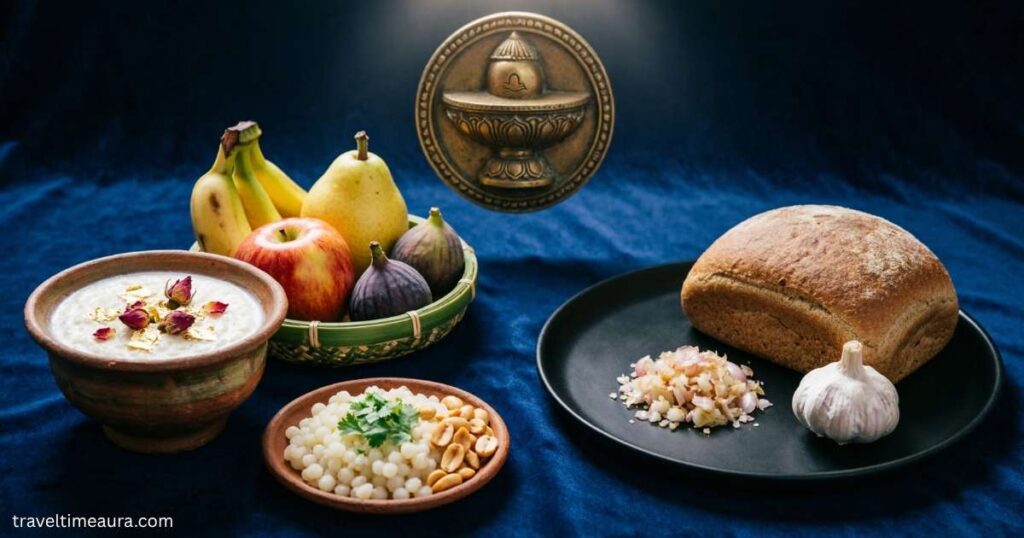
Maha Shivaratri fasting focuses on satvik food that keeps the body light and the mind calm. Devotees choose simple, pure ingredients that support meditation and night-long prayer. The idea is to avoid heavy or stimulating foods that disturb spiritual focus during this sacred observance.
The interpretation may vary depending on the situation. Some people follow strict dietary rules, while others adapt based on health and comfort. The main goal of Shivaratri fasting is purity, discipline, and devotion to Lord Shiva through mindful eating and spiritual awareness.
| Allowed Foods | Why Allowed | Avoided Foods |
| Fruits (banana, apple, grapes) | Natural energy and easy digestion | Rice, wheat, and grains |
| Milk, curd, paneer | Pure and nourishing for fasting | Onion and garlic |
| Sabudana, potatoes | Traditional vrat-friendly foods | Non-vegetarian food |
| Makhana, almonds, cashews | Healthy fats and protein support | Alcohol and tobacco |
| Coconut water, lemon water | Keeps the body hydrated and fresh | Spicy and oily food |
| Pumpkin, bottle gourd | Light and easy-to-digest vegetables | Processed and junk food |
Overall, Shivaratri fasting is not just about restriction but about mindful living. Choosing the right foods helps maintain energy, focus, and devotion. It allows devotees to stay awake, meditate deeply, and connect with Lord Shiva throughout the night with a peaceful and balanced mind.
Maha Shivaratri Puja Vidhi at Home
Maha Shivaratri Puja Vidhi at home is a simple yet deeply spiritual practice focused on devotion to Lord Shiva. It does not require complex arrangements, only sincerity and a clean heart. Devotees believe that pure intention matters more than expensive rituals during this sacred night of worship.
The interpretation may vary depending on the situation. Some people follow detailed rituals, while others perform short prayers based on time and ability. The main purpose of Shivaratri Puja Vidhi is to connect with divine energy, practice discipline, and experience inner peace through faith and meditation.
| Puja Step | Description |
| Early Morning Bath | Cleanses body and prepares mind for worship |
| Clean Puja Space | Creates a pure and peaceful environment |
| Place Shiva Idol/Lingam | The main focus of devotion and meditation |
| Light Diya and Incense | Symbolizes removing darkness and negativity |
| Shiva Abhishekam | Offering water, milk, honey, curd, and ghee |
| Offer Bel Patra and Flowers | Sacred leaves and flowers for Lord Shiva |
| Chant Mantras | Om Namah Shivaya and Maha Mrityunjaya Mantra |
| Meditation and Prayer | Silent reflection and spiritual connection |
After completing the puja, devotees sit quietly for meditation and offer heartfelt prayers. Even a short, focused ritual is considered powerful if done with devotion. Shivaratri Puja Vidhi at home ultimately encourages peace, discipline, and a deeper connection with Lord Shiva through sincere worship.
Night Worship and Jaagran on Maha Shivaratri
Night worship on Maha Shivaratri is a sacred practice where devotees stay awake and pray to Lord Shiva. They chant mantras, offer prayers, and perform Abhishekam during the night. Many devotees believe that this vigil brings peace, focus, and a deeper connection with divine energy.
Jaagran on Shivaratri symbolizes staying alert in devotion rather than sleep. The interpretation may vary depending on the situation. Many devotees sing bhajans, read the Shiva Purana, and meditate through the night to purify the mind and experience spiritual awakening with faith and discipline.
Powerful Shiva Mantras to Chant on Maha Shivaratri
Chanting Shiva mantras on Shivaratri helps calm the mind and deepen spiritual focus during night worship. It creates positive vibrations, removes negativity, and strengthens devotion to Lord Shiva through steady repetition and mindful awareness.
- “Om Namah Shivaya” is a sacred chant that expresses devotion and surrender to Lord Shiva.
- Devotees believe that the “Maha Mrityunjaya Mantra” brings protection, healing, and relief from fear.
- “Shiva Panchakshara Mantra” highlights the power of five divine syllables linked to Shiva.
- “Rudra Gayatri Mantra” supports wisdom, courage, and inner spiritual growth.
- Using a rudraksha mala while chanting helps maintain rhythm and focus during meditation.
How Maha Shivaratri Is Celebrated Across India
Maha Shivaratri is celebrated with devotion across India in temples, homes, and sacred places. Devotees observe fasting, perform Shiva Abhishekam, and stay awake at night for prayers. The festival reflects unity, faith, and deep respect for Lord Shiva through simple yet powerful spiritual practices.
The interpretation may vary depending on the situation. People in some regions hold grand temple rituals and fairs, while others focus on quiet meditation and home puja. Bhajans, mantras, and Shiva Purana readings create a peaceful atmosphere that strengthens devotion and spiritual connection among devotees.
Importance of Maha Shivaratri in Modern Life
Maha Shivaratri holds strong relevance in modern life as it encourages balance, discipline, and inner peace. In today’s fast-paced world, people use this festival to slow down, reflect, and reconnect with their spiritual side through meditation, fasting, and prayer to Lord Shiva.
For some, it is a cultural tradition, while for others, it is a path to mental clarity and emotional stability. Shivaratri inspires mindfulness, reduces stress, and helps people build a deeper connection with values like simplicity and self-control.
You may also like: Penuganchiprolu Temple Timings: Don’t Visit Without This
Simple Practices for a Meaningful Shivaratri
Simple practices for a meaningful Shivaratri help devotees experience peace, devotion, and inner clarity during this sacred night. Maha Shivaratri is not only about rituals but also about mindful living, fasting, and connecting with Lord Shiva through prayer and meditation.
This day encourages people to focus on spiritual growth instead of material distractions. It builds discipline and supports a calm, reflective mindset through devotion and self-control. The interpretation may vary depending on the situation.
- Many devotees chant “Om Namah Shivaya” to stay focused and calm their minds during night-long worship.
- Some follow fasting rituals like phalahar or nirjala fast to purify the body and improve spiritual awareness.
- Meditation and reading the Shiva Purana are common practices for deepening devotion and understanding Shiva’s teachings.
- Lighting a diya and offering Bel Patra are simple yet powerful ways to show respect and devotion.
- On the negative side, some people treat the festival as routine without real devotion, reducing its spiritual depth.
Do’s and Don’ts on Maha Shivaratri
Following proper discipline on Maha Shivaratri helps devotees gain spiritual clarity, peace of mind, and a stronger connection with Lord Shiva. This sacred night focuses on purity, devotion, and self-control through fasting, prayer, and mindful living with sincere intention and awareness.
The interpretation may vary depending on the situation. Some people follow strict rules, while others adapt based on health and lifestyle. What truly matters is devotion, positive thoughts, and consistent spiritual effort during this holy night of worship and meditation.
| Do’s | Don’ts |
| Keep thoughts pure and maintain inner discipline throughout the day and night | Avoid alcohol, smoking, and non-vegetarian food during the fast |
| Observe fasting according to personal strength and health condition | Do not speak harshly or engage in arguments with others |
| Chant Shiva mantras like “Om Namah Shivaya” with devotion and focus | Avoid gossip, negativity, and spreading false information |
| Visit Shiva temples or perform home worship with sincerity and faith | Do not oversleep during night vigil or miss prayer time |
| Perform Abhishekam using water, milk, and Bel Patra at home or temple | Avoid consuming heavy, oily, or junk foods during the fasting period |
| Read or listen to the Shiva Purana and spiritual teachings for guidance | Do not waste time on social media or distracting activities |
| Stay awake during the night jagran for meditation and prayers | Avoid anger, jealousy, and negative emotional reactions |
| Help needy people and show kindness to animals as part of devotion | Do not ignore spiritual discipline for entertainment or laziness |
| Maintain a calm mindset and focus on inner reflection and meditation | Avoid disrespecting rituals or treating the festival casually |
Shivaratri is not only about rules but about intention and awareness. Even small efforts done with sincerity bring spiritual benefit, peace, and a deeper connection with Lord Shiva’s divine energy.
Maha Shivaratri 2026 and 2027: A Night of Inner Transformation
Devotees view Maha Shivaratri 2026 and Maha Shivaratri 2027 as powerful nights for spiritual awakening and self-reflection. They observe fasting, meditation, and prayers dedicated to Lord Shiva. Many people believe that this sacred occasion calms the mind and guides individuals toward inner peace and awareness.
Many people see this night as more than a ritual. It becomes a journey of personal growth and inner cleansing. Shivaratri encourages discipline, emotional balance, and spiritual focus through chanting, night vigil, and meditation. It helps devotees reconnect with themselves and experience deeper clarity in life.
How is Maha Shivaratri Celebrated
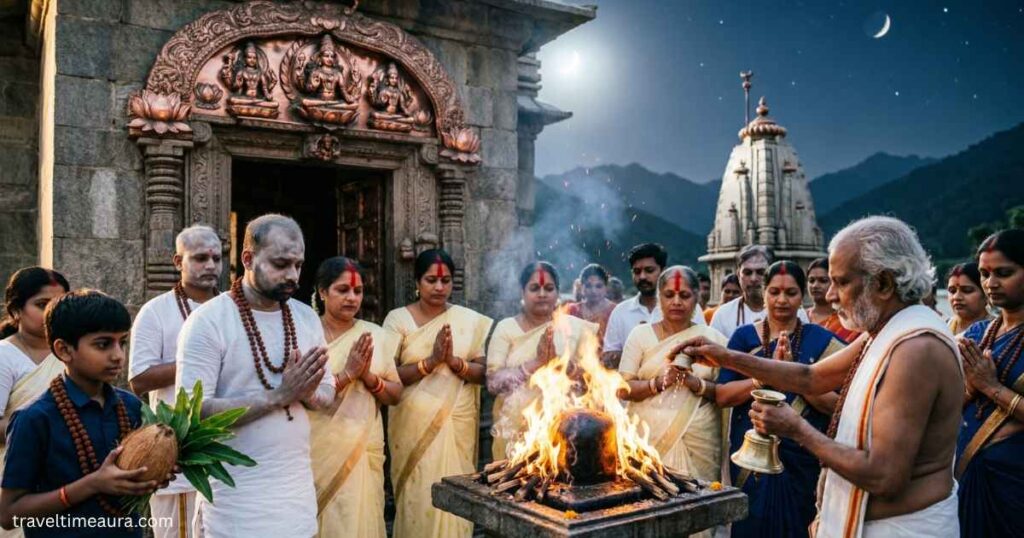
Maha Shivaratri is celebrated with devotion, fasting, and night-long worship of Lord Shiva across temples and homes. Devotees focus on prayer, meditation, and spiritual discipline during this sacred night of faith and inner awakening.
- Devotees observe fasting based on their strength and follow satvik food rules throughout the day.
- Devotees perform Shiva Abhishekam using water, milk, honey, and Bel Patra at temples and homes.
- People chant “Om Namah Shivaya” and other Shiva mantras for peace and spiritual focus.
- Night-long jagran includes bhajans, devotional songs, and reading from the Shiva Purana.
- Many devotees visit famous Shiva temples for special darshan and blessings.
- Meditation and silence are practiced to deepen inner awareness and calm the mind.
- Some also help the needy and perform charity as part of their devotion.
Maha Shivaratri Songs
Maha Shivaratri songs play an important role in night-long devotion to Lord Shiva. Devotees sing bhajans, chants, and devotional tracks to stay focused during prayers. These songs create a peaceful atmosphere and help deepen spiritual connection through rhythm, meaning, and heartfelt devotion.
People play many traditional and modern Shiva songs during the festival. Devotees sing them in temples, homes, and during jagran gatherings. These devotional tracks inspire faith, calm the mind, and keep devotees awake through the night with spiritual energy and devotion.
- Om Namah Shivaya (chant and devotional versions)
- Shiv Tandav Stotram
- Maha Mrityunjaya Mantra
- Har Har Mahadev Bhajan
- Bum Bum Bhole
- Shiv Shankar Ko Jisne Pooja
- Damru Wale Baba
- Subah Subah Le Shiv Ka Naam
- Jai Shiv Omkara Aarti
- Shiv Kailasho Ke Wasi
- Bam Lahiri
- Shambhu Shankar Namah Shivay
- Rudrashtakam Stotra
- Karpur Gauram Karunavtaram
- Shiv Bhole Bhandari
These songs help devotees stay spiritually connected during Shivaratri night. They encourage meditation, devotion, and inner peace while honoring Lord Shiva through music and chanting.
Maha Shivaratri Fasting Rituals
Maha Shivaratri fasting rituals are observed to purify the body and focus the mind on Lord Shiva. Devotees avoid heavy food and follow a satvik diet or complete fasting. The practice supports discipline, spiritual awareness, and deep devotion throughout the sacred night of worship.
Fasting begins early in the morning and continues until the next day. People stay awake, chant mantras, and perform prayers during a night vigil. The rituals help control desires, improve self-discipline, and create a calm mental state for meditation and spiritual reflection.
- Devotees observe nirjala, phalahar, or partial fasting based on health and devotion level.
- Many avoid grains, onions, garlic, and non-vegetarian food throughout the fasting period.
- Drinking water, milk, and fruit juices is common in lighter fasting styles.
- Chanting “Om Namah Shivaya” helps maintain focus and spiritual energy during fasting.
- Night-long jagran includes bhajans, meditation, and reading of the Shiva Purana.
- Some devotees perform Shiva Abhishekam during the night or early morning hours.
- Fasting ends after morning prayers and offering gratitude to Lord Shiva.
You may also like: Dharmasthala Temple Timings: Miss This, Miss Everything
Maha Shivaratri USA
Maha Shivaratri USA is celebrated by Hindu communities across temples and cultural centers. Devotees gather for prayers, fasting, and night-long worship of Lord Shiva. The festival brings together families and communities, creating a spiritual atmosphere filled with devotion, chanting, and meditation.
In the United States, temples organize special Shiva Abhishekam, bhajans, and jagran events. Many people follow fasting based on their capacity while balancing work schedules. The celebration helps maintain cultural roots, spiritual discipline, and devotion among younger generations living abroad.
Difference Between Shivratri and Mahashivratri
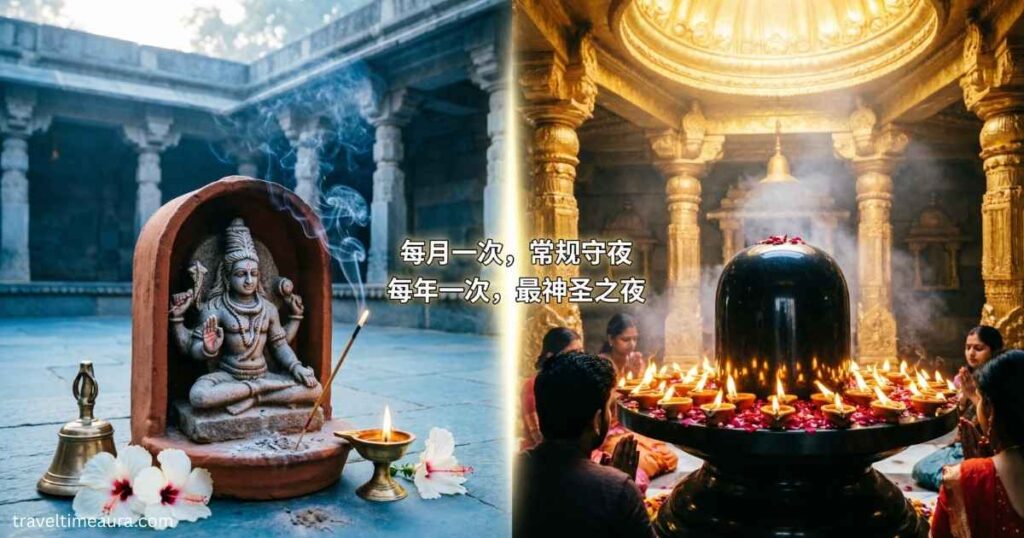
Shivratri and Mahashivratri are both dedicated to Lord Shiva, but they are not the same. Shivratri occurs every month, while Mahashivratri is a major annual festival with deeper spiritual significance and wider celebration.
Devotees observe the monthly Shivratri on Krishna Paksha Chaturdashi every lunar month. However, they celebrate Mahashivratri once a year in the month of Phalguna. People across India mark the festival with fasting, night vigils, and special worship rituals.
| Aspect | Shivratri | Mahashivratri |
| Frequency | Occurs every month | Celebrated once a year |
| Significance | Regular monthly observance | Major spiritual festival |
| Timing | Krishna Paksha Chaturdashi | Phalguna month, annual event |
| Rituals | Simple prayers and fasting | Elaborate puja and night vigil |
| Devotion Level | Moderate worship | Deep devotion and fasting |
| Celebrations | Limited temple activities | Large-scale temple celebrations |
| Spiritual Impact | Routine spiritual practice | High spiritual awakening and focus |
Frequently Asked Questions
When is Maha Shivaratri observed each year?
It is observed on Krishna Paksha Chaturdashi in Phalguna month. The date changes yearly based on the lunar calendar system.
How do devotees observe Maha Shivaratri fasting?
Devotees follow fasting by eating light satvik food or avoiding food completely. They stay awake and pray during the night.
What rituals are performed during the Maha Shivaratri celebration?
Shiva Abhishekam, mantra chanting, and night-long meditation are performed. Devotees offer milk, water, and Bel Patra to Shiva.
Which foods are suitable during Maha Shivaratri fasting?
Fruits, milk, nuts, and sabudana are commonly eaten. People avoid grains, onions, garlic, and heavy or oily food.
How do people prepare for Maha Shivaratri night worship?
They clean homes, visit temples, and prepare puja items. Devotees also plan fasting, prayers, and meditation for devotion.
Conclusion
Maha Shivaratri is a sacred night of devotion, fasting, and prayer dedicated to Lord Shiva. It brings peace, discipline, and spiritual growth to devotees. Many people celebrate Shivaratri with deep faith, meditation, and night-long worship. It reminds us to stay focused, calm, and connected with divine energy in life. Maha Shivaratri helps people reflect on their thoughts and improve inner strength through simple rituals and sincere devotion.
For future planning, many devotees look for shivratri 2027 date and Maha Shivaratri 2027 details in advance. The shivratri 2027 celebration, 2027 Shivaratri date, and Mahashivratri 2027 date will guide preparations for fasting and prayers. Observing Shivaratri every year builds consistency in faith and devotion. It encourages a meaningful lifestyle filled with prayer, discipline, and spiritual awareness for a better and peaceful life journey.